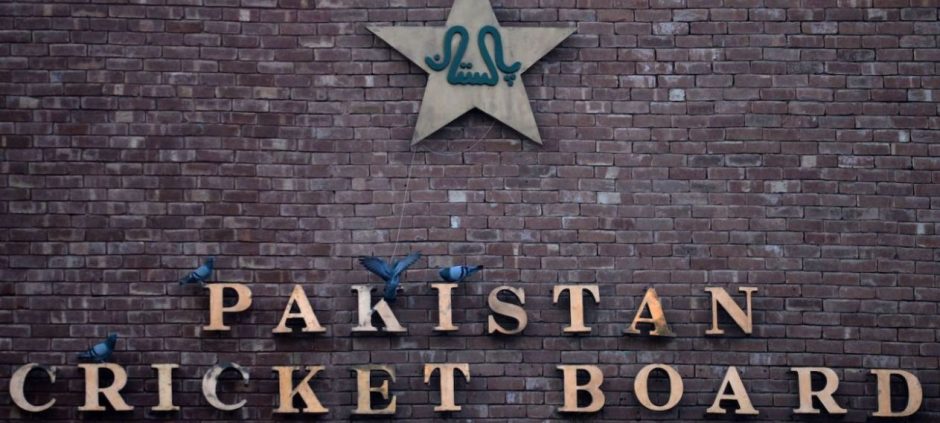
The Pakistan Cricket Board, often called the PCB, is the heart of cricket in the country. It manages everything from the national team to domestic tournaments. The board is always changing. New leaders come in, policies get updated, and fresh plans are made for the future of the sport. For fans, staying updated with these changes is very important. This article will look at the latest developments within the Pakistan Cricket Board. We will explore recent leadership changes, new policies, and the overall direction the board is taking.
Understanding the inner workings of the PCB helps us see the bigger picture. The decisions made at its headquarters in Lahore affect every player and fan. From selecting the squad for the next big tournament to improving cricket at the grassroots level, the Pakistan Cricket Board holds a great deal of responsibility. We will cover the significant recent events and what they mean for Pakistan cricket moving forward.
Leadership and Structural Changes at the PCB
The leadership of the Pakistan Cricket Board has seen frequent changes over the years. This has often led to shifts in strategy and vision. Recently, the board has once again gone through a transition. A new chairman has taken charge, bringing fresh ideas to the table. This change is not just at the top. It often leads to new appointments in key positions like the chief selector, head coach, and directors of various departments.
These structural adjustments are meant to improve how the board operates. The goal is to make the Pakistan Cricket Board more professional and efficient. A key focus has been on creating a more stable system. This means reducing political influence and appointing people based on their skills and experience in cricket management. The new leadership aims to build a strong foundation that can support the national team and nurture young talent for years to come. This includes revamping the selection committee to ensure transparency and merit-based choices.
- The Impact of New Leadership on Team Performance
A new chairman and management team often have an immediate effect on the national team. They might change the captain, bring in a new coach, or alter the team’s playing style. The current leadership at the Pakistan Cricket Board has emphasized an aggressive and modern approach to cricket. This is reflected in the recent team selections and coaching staff appointments.
The focus is on finding players who are not only talented but also mentally tough. The board is investing in player development programs. These programs aim to improve fitness, skills, and the psychological aspects of the game. The Pakistan Cricket Board is working closely with the team management to create a positive and winning culture within the dressing room. The hope is that this new direction will lead to more consistent performances in international cricket and bring home major trophies.
New Policies for Domestic Cricket
A strong domestic cricket structure is the backbone of any successful cricketing nation. The Pakistan Cricket Board has introduced several new policies to strengthen its domestic system. The previous model was changed, and a new structure focusing on regional teams was brought back. This move is designed to increase competition and create a larger pool of talented players.
The renewed focus on departmental and regional cricket means more players get a chance to play at a high level. The PCB is also investing more money into domestic tournaments. This includes better pay for players, improved grounds, and higher-quality coaching. The Quaid-e-Azam Trophy, Pakistan’s premier first-class tournament, has been given more importance. The goal is to make domestic cricket a viable career path for young cricketers. A strong domestic setup will ultimately feed talented and well-prepared players into the national team.
- Focus on Grassroots and Youth Development
The future of Pakistan cricket depends on the young talent coming through the ranks. The Pakistan Cricket Board has launched new initiatives to find and develop players at the school and club levels. This includes organizing more under-13, under-16, and under-19 tournaments across the country.
The board is also setting up high-performance centers in different cities. These centers will provide young cricketers with access to top-class facilities and coaching. Scouts are being sent to all corners of Pakistan to identify promising players. By investing in the grassroots, the Pakistan Cricket Board hopes to create a continuous supply of talent. This long-term vision is crucial for ensuring that Pakistan remains a top team in world cricket.
For a recent major update within the board, read how Azhar Ali has parted ways with the PCB after a mutual decision.
Financial Growth and Broadcasting Deals
The financial health of the Pakistan Cricket Board is vital for the growth of the sport. The board has been working hard to increase its revenue. A major part of this comes from broadcasting rights and sponsorships. Recently, the PCB signed new and more profitable deals for its international matches and the Pakistan Super League (PSL).
These new deals mean more money is coming into Pakistani cricket. This financial boost allows the board to invest more in players, infrastructure, and development programs. The success of the PSL has played a huge role in this financial growth. It has become a major global brand, attracting top players and big sponsors. A financially strong Pakistan Cricket Board can better support its players and plan for a successful future. This stability is key to competing with the top cricket boards around the world.
Challenges Facing the Pakistan Cricket Board
Despite the positive developments, the Pakistan Cricket Board still faces several challenges. One of the biggest issues is the instability in its leadership. Frequent changes at the top can disrupt long-term planning. Building a consistent policy requires stable leadership over several years.
Another challenge is to ensure international teams regularly tour Pakistan. While security has improved immensely and many teams have visited, the board must continue to work to make all countries feel safe to travel. This is essential for the fans and for the financial health of the board.
Furthermore, improving the standard of pitches in Pakistan is a priority. Good pitches are necessary for developing skilled batsmen and bowlers. The PCB is working on this, but it remains a significant task. Overcoming these challenges will be crucial for the continued success of the Pakistan Cricket Board.
The Pakistan Cricket Board is at a critical point. New leadership, revamped domestic structures, and a focus on youth development are positive steps. The financial situation looks strong thanks to successful broadcasting deals and the PSL. The path forward involves building on these successes while tackling the remaining challenges head-on.
For cricket fans in Pakistan, these are exciting times. The efforts of the Pakistan Cricket Board today will shape the national team’s performance for the next decade. With a clear vision and stable management, the future of Pakistan cricket looks bright.
Frequently Asked Questions
1. Who is the current chairman of the Pakistan Cricket Board?
The leadership of the PCB can change. It is best to check the official PCB website for the most current information on the chairman and other officials.
2. What is the main role of the Pakistan Cricket Board?
The PCB is the governing body for cricket in Pakistan. It controls the national team, domestic cricket, and all administrative aspects of the sport in the country.
3. What is the Pakistan Super League (PSL)?
The PSL is a professional Twenty20 cricket league run by the Pakistan Cricket Board. It features city based franchise teams and is held annually.
4. How does the PCB select players for the national team?
The PCB has a selection committee made up of former cricketers. They watch players in domestic and international cricket and select the team based on performance and fitness.
5. How is the Pakistan Cricket Board funded?
The PCB generates its own revenue primarily through broadcasting rights, team sponsorships, and tournaments like the PSL. It does not receive government funding.