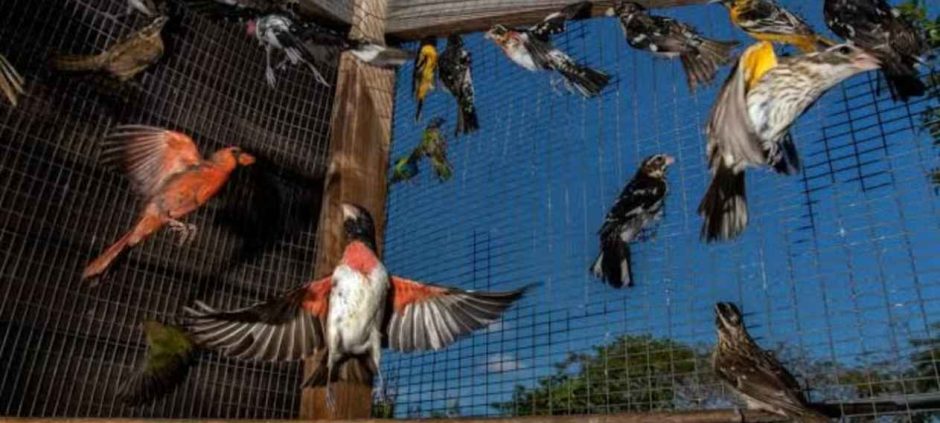
Sindh has imposed a 90-day ban on the installation and use of nets for trapping birds in three districts.
The restriction applies to Thatta, Sujawal and Badin in the lower Indus Delta. It will remain effective from September 13 to December 11.
The Hyderabad Division administration issued the notification under Section 144. The order prohibits nets used to capture quails, migratory birds and native bird species.
The decision follows reports of widespread illegal bird trapping in wetlands and natural habitats. Wildlife officials have raised concerns about increasing trapping activity in the region.
Migratory birds are also beginning to arrive in Sindh ahead of the 2026-27 hunting season. Authorities want to protect these birds during their seasonal movement.
Sindh Wildlife Department chief Javed Ahmed Mahar said several departments were consulted before the ban.
He said the Thatta, Badin and Sujawal region is important for migratory birds. The area is also the final stop of the Indus Flyway.
According to Mahar, the region faces serious challenges from illegal hunting. He said net-based trapping has become a large-scale activity.
Thousands of birds are reportedly captured and sold each year. This activity has raised concerns among wildlife officials and conservation groups.
Mahar also highlighted the use of fake permits and forged licenses. Some hunters reportedly use these documents to avoid checks at official checkpoints.
The authorities have now increased legal measures against those involved in illegal trapping. Police have been authorised to take action against people violating the notification.
Cases can be registered under Section 188 of the Pakistan Penal Code. The provision allows action against individuals who disobey lawful orders issued by public authorities.
The wildlife department has also asked local residents to report suspected illegal hunting camps. Authorities said the identities of informants will remain confidential.
Officials have further warned against fake licenses related to the capture and trade of falcons, ducks and quails.
Mahar said such licenses have no legal validity. He added that illegal bird trapping violates national wildlife laws.
These activities can also undermine Pakistan’s international conservation commitments. Authorities are therefore seeking stronger cooperation from local communities.
The temporary restriction is aimed at reducing illegal trapping during the migratory season. It also seeks to protect important wetland habitats across the lower Indus Delta.
In other related news also read Shahid Afridi Appointed Sindh Police Sports Ambassador
The ban gives law enforcement agencies additional authority to act against illegal bird trapping in the affected districts. Sindh authorities are also encouraging residents to support conservation efforts.