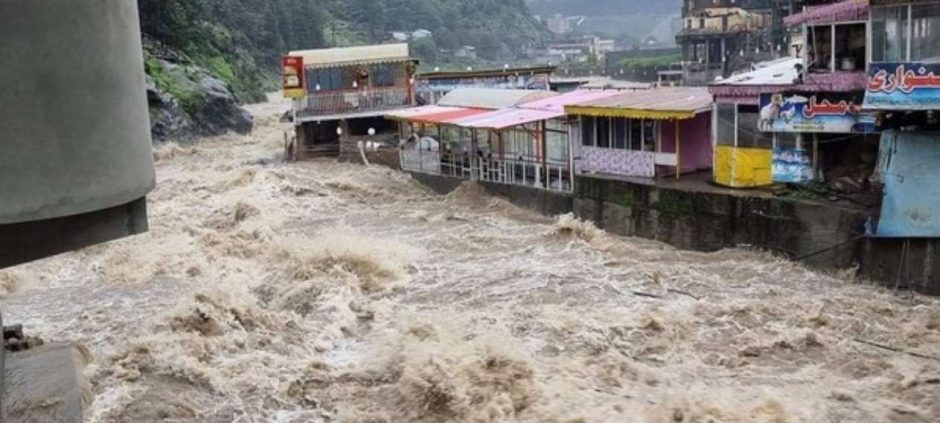
The National Disaster Management Authority (NDMA) has issued a weather-related alert, warning of a possible flood situation as heavy rainfall is expected across several parts of Pakistan over the next 72 hours.
The warning comes as monsoon activity continues across the country, with upper regions expected to receive significant rainfall. Authorities have been advised to remain prepared for rising water levels, flash floods, urban flooding and landslides.
Heavy Rain Expected in Northern Areas
According to the NDMA alert, heavy rain is forecast in Gilgit-Baltistan, Azad Jammu and Kashmir (AJK), and upper Khyber Pakhtunkhwa during the next two to three days.
The expected rainfall could increase water flows in rivers, streams and seasonal torrents. Mountainous areas are particularly vulnerable because intense rainfall can trigger sudden flash floods and landslides.
Relevant departments have been directed to remain on high alert and closely monitor vulnerable locations.
Flash Flood Risk in Gilgit-Baltistan
Several districts of Gilgit-Baltistan have been identified as being at risk of flash floods.
The affected areas include Gilgit, Diamer, Ghizer, Hunza, Astore, Skardu and Shigar. Heavy rainfall in these mountainous districts could lead to rapid increases in water levels in streams and seasonal waterways.
The combination of steep terrain and intense rainfall can also increase the possibility of landslides, potentially affecting roads and access routes.
Residents in vulnerable areas have been urged to remain cautious and follow instructions issued by local authorities.
Khyber Pakhtunkhwa Areas on Alert
Upper Khyber Pakhtunkhwa is also expected to receive heavy rainfall during the forecast period.
The NDMA has highlighted Chitral, Dir, Swat, Bajaur, Shangla and Kohistan as areas that could face flooding risks.
Heavy rainfall may cause rivers, streams and seasonal torrents to rise rapidly. Local administrations and relevant departments have therefore been asked to maintain preparedness and closely monitor changing conditions.
Low-Lying Areas Could Face Water Accumulation
The NDMA has also warned of possible water accumulation in low-lying areas of Nowshera, Peshawar, Swabi and Mardan.
Urban and low-lying locations can be particularly vulnerable during periods of intense rainfall because drainage systems may struggle to handle large volumes of water in a short period.
Residents in these areas are advised to remain alert to local warnings and avoid unnecessary travel through waterlogged or flooded areas.
Major Rivers Could See Rising Water Levels
The weather system may also affect water flows in several major rivers and waterways.
The NDMA has warned that water levels could rise in the Indus, Kabul, Swat, Panjkora, Kurram, Tochi, Jhelum, Chenab and Ravi rivers.
Any significant increase in river flows could create additional risks for communities living near riverbanks, streams and other vulnerable waterways.
Authorities are expected to continue monitoring water levels and weather conditions as rainfall develops over the coming days.
Islamabad and Rawalpindi Face Heavy Rain Risk
The twin cities of Islamabad and Rawalpindi may also experience heavy rainfall during the forecast period.
The NDMA has specifically highlighted the risk of flooding in Nullah Lai, a watercourse that can experience rapid increases in water levels during heavy rain.
Authorities in low-lying areas surrounding Nullah Lai have been advised to remain vigilant and take precautionary measures.
Residents are encouraged to monitor official weather updates and avoid areas where water levels are rising.
Authorities Urged to Remain Vigilant
The latest warning highlights the potential for multiple weather-related hazards, including flash floods, riverine flooding, urban flooding and landslides.
The NDMA has called on relevant departments to maintain a high level of preparedness during the next 72 hours.
People living in vulnerable areas should follow official instructions, avoid crossing flooded roads and streams, and stay away from unstable slopes or areas at risk of landslides.
The situation will depend on the intensity and distribution of rainfall, making continued monitoring important throughout the forecast period.
Also read: NDMA Warns of Heavy Rain and Snowfall