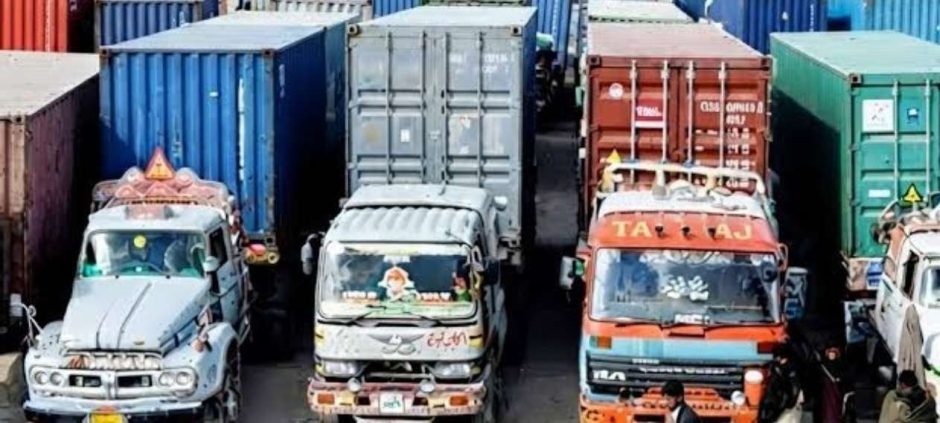
The Pakistan Goods Transport Alliance has announced a 5 percent increase in transport fares following the recent rise in petroleum product prices, warning that continued fuel price hikes could severely disrupt the country’s transport sector.
Alliance representative Malik Shehzad Awan said diesel prices increased by Rs5.70 per litre on one day and by a further Rs7.15 per litre the next, significantly raising operating costs for transporters across Pakistan.
Awan criticized the government’s decision to increase fuel prices on a frequent basis, saying transport operators are finding it increasingly difficult to manage their expenses. He warned that if the government fails to provide relief, transport operations across the country could come to a standstill.
“We condemn the daily increase in petroleum product prices,” Awan said while announcing the revised freight charges. He also declared the alliance’s support for the All Pakistan Petrol Pump Owners Association, which has called for a nationwide strike.
The increase in transport fares comes after negotiations between Federal Petroleum Minister Ali Pervaiz Malik and the All Pakistan Petrol Pump Owners Association ended without an agreement. The talks focused on the government’s decision to introduce daily fuel price adjustments and the concerns raised by petroleum dealers.
Following the collapse of the negotiations, the petrol pump owners’ association announced that petrol pumps across Pakistan would shut down from midnight, escalating tensions between the government and stakeholders in the petroleum sector.
Transporters have expressed concerns that higher diesel prices are making freight operations increasingly expensive. They argue that the additional costs will ultimately be passed on to businesses and consumers, potentially contributing to higher prices for essential goods.
Industry representatives have urged the government to review its fuel pricing policy and provide relief to the transport sector to prevent further disruption to supply chains and economic activity.
Also read: Goods Transporters Reject Daily Fuel Pricing Policy