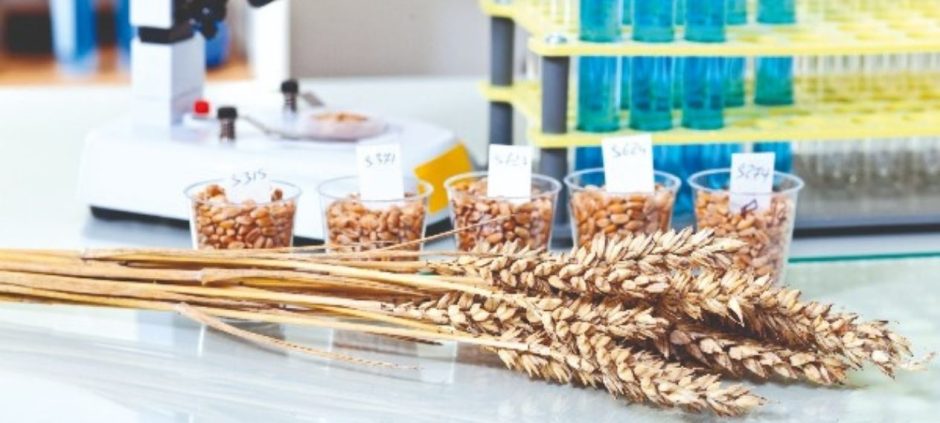
Quaid-i-Azam University has achieved an important milestone after its newly developed wheat variety, QUAID-2026, received official approval for cultivation. The approval highlights the University‘s growing contribution to agricultural research and innovation in Pakistan.
The new wheat variety was developed by Dr. Awais Rasheed and Dr. Tariq Mahmood from the Department of Plant Sciences. Their research focused on producing a crop that offers higher yields while improving resistance to harsh weather conditions and common wheat diseases.
According to the University, QUAID-2026 is a high-yielding wheat variety with strong tolerance to cold temperatures. It also provides better protection against several diseases that affect wheat crops. These qualities are expected to help farmers improve productivity and reduce crop losses.
Another key feature of the new wheat variety is its enhanced zinc content. Higher zinc levels can improve the nutritional value of wheat-based food products. The variety also offers excellent chapati-making quality, making it suitable for everyday household use while supporting better nutrition.
The wheat variety received official approval during the 47th Provincial Seed Council (PSC) meeting. The session was chaired by Khyber Pakhtunkhwa Minister for Agriculture Mian Muhammad Umar and co-chaired by Secretary Agriculture Dr. Muhammad Bakhtiar.
The approval is considered a major achievement for the University’s agricultural research programme. It reflects years of scientific work aimed at developing crop varieties that can meet the country’s growing food demands. Researchers believe innovations like QUAID-2026 can strengthen Pakistan’s agricultural sector.
Agricultural experts expect the new wheat variety to increase production in major wheat-growing regions. Higher yields may improve farm income while helping meet the country’s food requirements. The disease-resistant traits may also reduce losses caused by common plant infections.
Cold tolerance is another important advantage of the new variety. Farmers in colder regions may benefit from improved crop performance during low-temperature conditions. Better adaptability can also contribute to more stable wheat production in different environments.
Experts believe the new wheat variety will support sustainable farming practices. Improved productivity and stronger crop resilience can help farmers make better use of available resources. This can contribute to long-term agricultural development.
In other related news also read Karachi University Shifts Classes Online Due to Ramadan
The approval of QUAID-2026 also highlights the role of research institutions in addressing national challenges. The University continues to support scientific innovation through research that benefits both farmers and consumers. Officials hope the newly approved variety will strengthen food security and encourage further agricultural advancements across Pakistan.