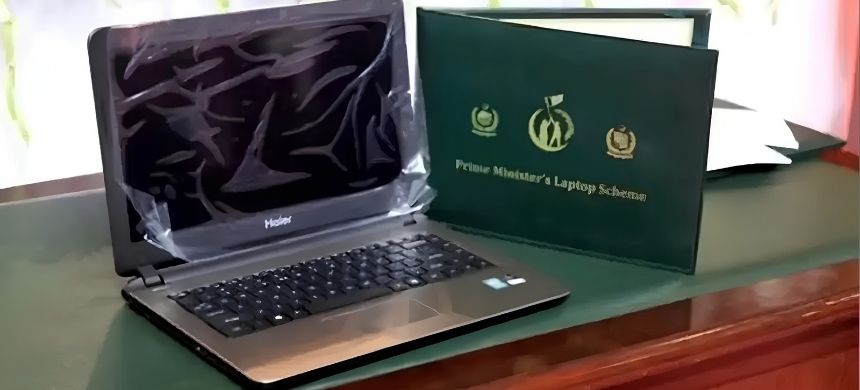
The Prime Minister’s Laptop Scheme achieved a notable milestone with female students accounting for 54 percent of total participation, according to the Pakistan Economic Survey 2025-26 released on June 11, 2026.
The survey highlighted the growing involvement of women in higher education and digital learning initiatives across the country. Under the scheme, 74,427 laptops were distributed among students enrolled in higher education institutions. A total of 407,713 students from 156 universities and colleges benefited from the program.
The initiative covered educational institutions located in Punjab, Sindh, Khyber Pakhtunkhwa, Balochistan, Islamabad Capital Territory, Azad Jammu and Kashmir, and Gilgit-Baltistan. Officials believe the program has helped students improve access to technology and online educational resources.
The strong representation of female students is particularly significant given Pakistan’s existing literacy gap between men and women. Data presented in the economic survey showed that the national literacy rate among males stands at 73 percent, while female literacy remains considerably lower at 54 percent.
Experts view the results of the laptop scheme as an encouraging sign of increased female enrollment and engagement in higher education. The figures suggest that women are making greater use of digital tools and educational opportunities, helping to narrow the gender divide in access to learning resources.
The report also indicates that targeted educational programs can play an important role in promoting digital inclusion and supporting women’s academic development. By providing access to technology, such initiatives can help students enhance their skills and participate more effectively in modern learning environments.
The survey was released just ahead of the federal budget for 2026-27, leading to expectations that digital education and technology-focused programs may receive further attention during budget discussions.
Despite the positive results, experts note that technology distribution alone is not enough to address broader educational challenges. Continued investment in internet connectivity, educational infrastructure, digital skills training, and quality schooling for girls will be essential to sustain progress.
Nevertheless, the latest figures reflect a positive development in women’s participation in higher education across Pakistan
Also Read: Free Laptop Scheme Distribution Schedule Announced Nationwide