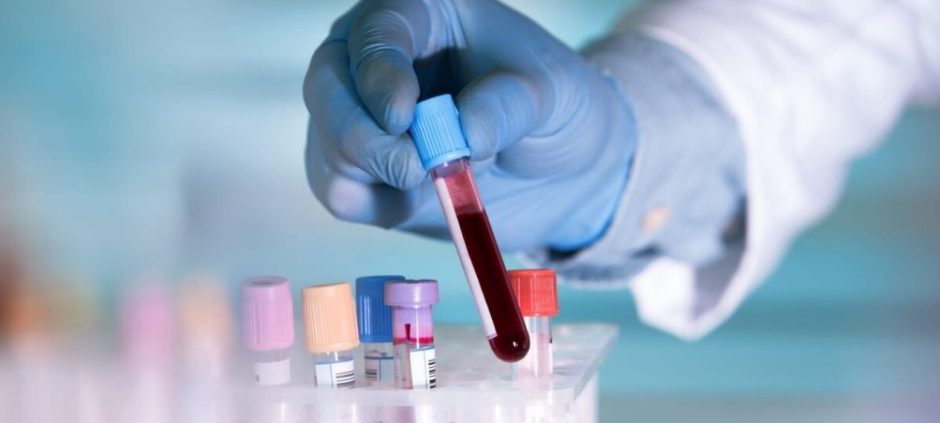
Scientists have identified a blood-based protein signature that could predict the risk of lung cancer up to five years before diagnosis, potentially transforming how the disease is detected and prevented. The findings, published in the journal Cell, suggest that a simple blood test could help identify high-risk individuals long before symptoms appear.
The research was conducted by a team supported by the National Institute for Health and Care Research and the UCLH Biomedical Research Centre. Scientists analyzed blood plasma samples from more than 48,000 participants enrolled in the UK Biobank. Using machine learning techniques, researchers identified 14 proteins that were strongly linked to future lung cancer diagnoses within five years.
The study suggests that environmental factors such as air pollution, vehicle emissions, coal burning, and cigarette smoke may contribute to cancer development by creating an inflammatory environment in the lungs. Researchers believe this inflammation can activate dormant cells carrying genetic mutations, increasing the likelihood of cancer formation over time.
Importantly, the protein signature was found to reflect an altered inflammatory state rather than the presence of an existing tumor. Scientists also observed links between the protein markers and respiratory conditions such as Chronic Obstructive Pulmonary Disease and Idiopathic Pulmonary Fibrosis, indicating that inflammation may be a common factor in disease progression.
The research builds on previous findings involving the inflammatory molecule interleukin-1 beta (IL-1β). In laboratory studies using mice, blocking IL-1β reduced the number of pre-cancerous cells and slowed early tumor growth. These results suggest that anti-inflammatory treatments could potentially play a role in preventing lung cancer among people identified as high risk.
Researchers also examined data from the CANTOS Trial and found that participants with elevated levels of the 14-protein signature experienced nearly a 50 percent reduction in lung cancer risk when treated with canakinumab, an IL-1β inhibitor. Experts say the findings could pave the way for precision prevention strategies, allowing doctors to identify those most at risk and intervene before cancer develops, potentially reducing the burden of late-stage diagnoses.
Also read: Australia Test Batter Maddinson Reveals Cancer Diagnosis