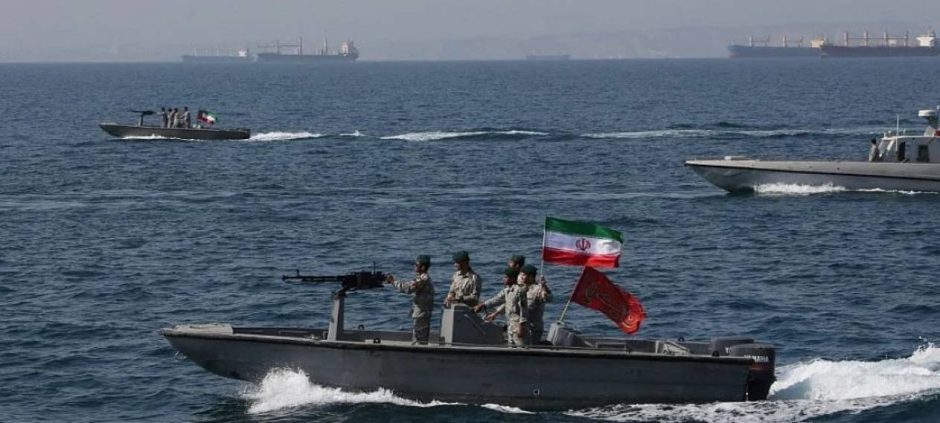
The Strait of Hormuz remains one of the most important energy routes in the world. Nearly one-third of global seaborne oil passes through this narrow waterway.
The Strait of Hormuz connects major oil-producing regions in the Middle East with global markets. Any disruption in this route can quickly impact global energy prices and supply chains.
Recent reports indicate increased military activity by the United States in and around the Strait. This is being described as a stronger security posture aimed at protecting navigation routes.
The United States argues that its presence helps ensure freedom of navigation. It also says the move is necessary to secure global energy flows from potential threats.
However, the situation is seen differently by Iran. Tehran views the increased military presence as pressure and interference in its regional affairs.
Iran considers such actions a challenge to its sovereignty. This difference in perception increases tensions in the already sensitive region.
The Strait of Hormuz is a highly congested maritime corridor. Commercial ships, military vessels, drones, and surveillance systems all operate in close proximity.
Because of this, even a small incident could lead to major escalation. A miscommunication or navigation error could quickly turn into a wider conflict.
Economic risks are also significant. Even the perception of instability in the Strait of Hormuz can push global oil prices higher.
Higher oil prices can increase inflation worldwide. Energy-importing countries in Europe and Asia would be especially affected.
Global supply chains could also face disruption. This may slow down economic growth in several regions.
China’s involvement adds further complexity. As a major energy importer, China depends heavily on oil moving through the Strait of Hormuz.
Any increased control or military pressure in the region could be seen as affecting China’s strategic interests. This may widen geopolitical tensions.
Gulf countries also face serious risks. While many are allied with the United States, they remain geographically close to Iran.
Any conflict in the Strait of Hormuz would directly impact their economies, infrastructure, and energy exports. This makes the region highly vulnerable to escalation.
There are also concerns about international maritime law. The Strait of Hormuz is recognized as an international shipping route with guaranteed navigation rights.
Experts warn that unilateral actions could weaken global maritime norms. This may lead to a more unstable international shipping environment.
In other related news also read France Leads Diplomatic Push to Reopen Strait of Hormuz
Overall, tensions in the Strait of Hormuz highlight growing geopolitical risks. The situation remains sensitive and could affect global energy security if not carefully managed.