Pakistan’s capital, Islamabad, has emerged as a global focal point as crucial negotiations between the United States and Iran take place after weeks of intense conflict. Senior officials from both sides have arrived in the city, engaging in high-level diplomatic efforts over the past three days to seek an end to hostilities.
The situation comes after a prolonged 40-day conflict involving the United States and Israel targeting Iran, which significantly escalated tensions in the region. Pakistan stepped in diplomatically, with Prime Minister Shehbaz Sharif initiating efforts by calling for a ceasefire and inviting both nations to hold talks in Islamabad.
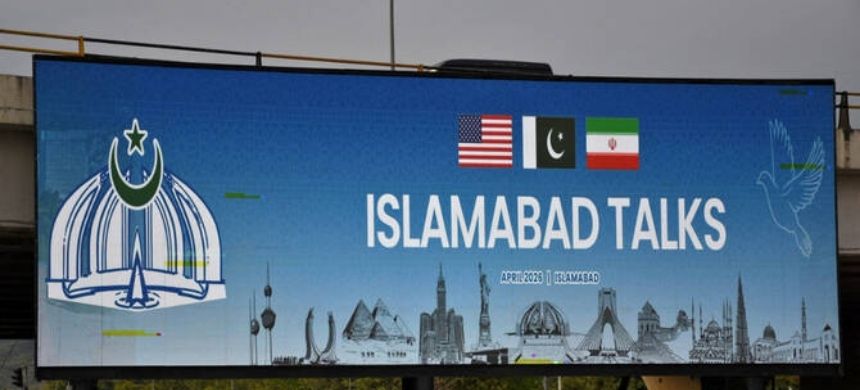
The city has witnessed extraordinary security measures, reflecting the importance of the negotiations. Over 100 international and 200 local journalists are present, while around 200 officials from multiple countries are participating in discussions now widely referred to as the “Islamabad Talks.”
This moment is also historically significant for Pakistan. It marks a rare visit by a sitting US vice president during civilian rule, unlike past visits during military governments led by figures such as Pervez Musharraf.
Analysts believe the conflict has reshaped global dynamics, especially due to disruptions in key energy routes like the Strait of Hormuz, which caused a surge in oil prices and economic instability worldwide. Pakistan, already facing economic challenges, has been directly impacted but now finds itself at the center of global diplomacy.
Delegations are led by US Vice President JD Vance and Iran’s senior leadership, including Mohammad Bagher Ghalibaf and Abbas Araghchi. Talks began on April 11 and may extend over several days, with Pakistan acting as a mediator.
While expectations remain cautious due to deep mistrust, there is hope that continued dialogue could ease tensions. Success could reopen vital trade routes and stabilize global markets, while failure may risk further regional instability.
For Pakistan, the stakes are high. Stability in the Middle East is crucial for its economy, remittances, and energy security. With its balanced relations with global and regional powers, Islamabad is playing a key role in pushing for peace, as the world closely watches whether these talks can lead to lasting resolution.
Also Read: Islamabad Hosts Iran–US Ceasefire Talks as Key Diplomatic Negotiations Begin