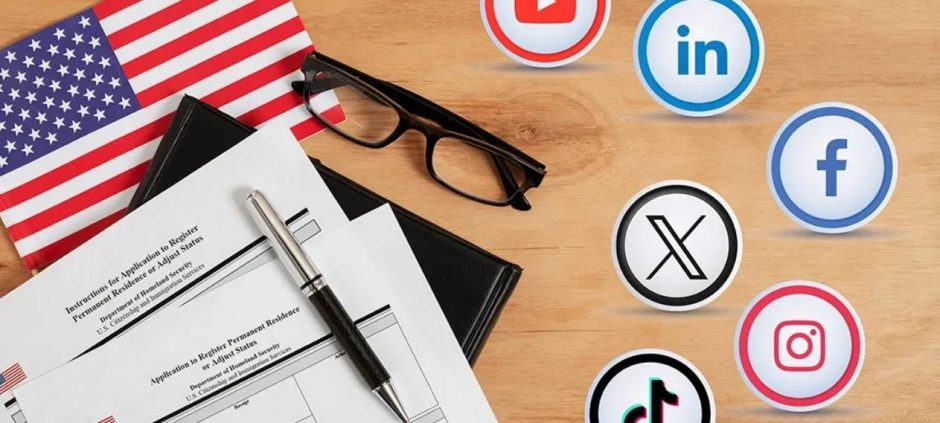
The U.S will expand social media screening for visa applicants starting March 30, 2026. Many applicants must make their social media accounts public for review by consular officers. The goal is to strengthen security and improve background checks.
The updated rule covers a wide range of visa categories. These include domestic worker visas (A-3, C-3, G-5), student and exchange visas (F, M, J), and fiancé, spouse, and dependent visas (K-1, K-2, K-3, H-3, H-4, R-1, R-2). Cultural, religious, and crime-related visas (Q, S, T, U) are also included.
Previously, social media checks applied mainly to F, M, J, H-1B, and H-4 visas. The new rules significantly expand the scope, affecting more applicants worldwide.
What Visa Applicants Need to Know
Applicants must allow consular officers to review their online profiles, social media activity, and public digital presence. Content considered suspicious may lead to additional checks or visa denial.
The U.S government recommends that applicants:
- Expect longer processing times and fewer appointment slots
- Review and clean public social media accounts
- Remove sensitive or misleading content
- Apply early to avoid delays
Impact on Travel and Relocation
The expanded screening underscores that digital footprints are now part of the visa process. Consular officers will review social media activity alongside traditional documents and interviews.
The change affects individuals traveling for work, study, or family relocation. Preparing social media profiles carefully can help reduce delays or complications during the visa process.
Officials emphasize that the U.S is committed to maintaining security while processing visas efficiently. Applicants are urged to stay informed about these changes and plan accordingly to ensure smooth approval.
In other related news also read US Pauses Attacks on Iranian Energy Sites for 10 Days
The new rules highlight the growing role of online behavior in visa evaluations. Applicants worldwide should treat their digital presence seriously to meet U.S visa requirements in 2026.