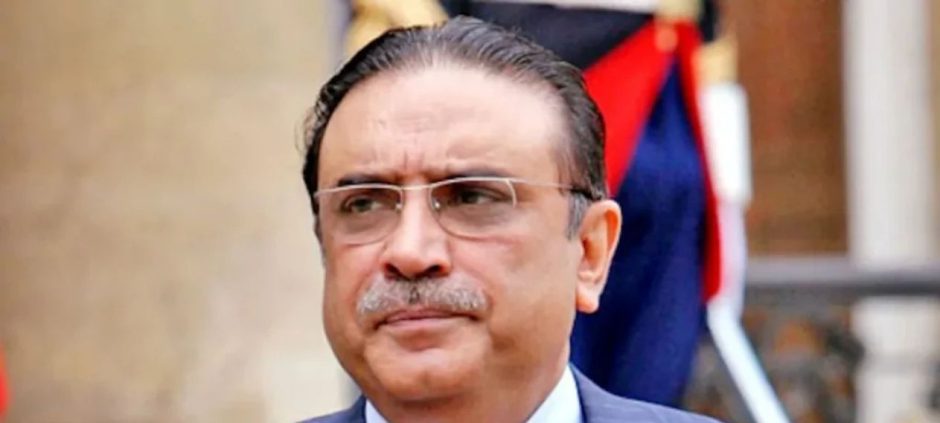
President Asif Ali Zardari has approved seven bills recently passed by Parliament, completing the legislative process. The new laws cover trade, taxation, education, railways, social protection, and human rights.
The approved legislation includes:
- The National Tariff Commission (Amendment) Bill, 2026
- The Export Development Fund (Amendment) Bill, 2026
- The Transfer of Railways (Amendment) Bill, 2026
- The Domestic Violence (Prevention and Protection) Bill, 2026
- The Daanish Schools Authority Bill, 2026
- The Income Tax (Amendment) Bill, 2026
- The National Commission for Human Rights (Amendment) Bill, 2026
These bills aim to strengthen governance, promote social protection, and boost economic development.
The Domestic Violence (Prevention and Protection) Bill provides better safeguards for victims. It improves reporting and protection mechanisms for individuals affected by abuse.
The Daanish Schools Authority Bill focuses on expanding education opportunities for underprivileged children. This aims to improve access to quality education in remote and underserved areas.
Amendments to trade and taxation laws, including the Income Tax (Amendment) Bill and National Tariff Commission (Amendment) Bill, are expected to support economic growth and encourage compliance with regulatory standards.
The Transfer of Railways (Amendment) Bill seeks to modernize operations and improve efficiency in the rail sector. Meanwhile, the National Commission for Human Rights (Amendment) Bill strengthens the country’s human rights framework and reinforces civil liberties protections.
President Zardari’s approval ensures that these bills now become law. Officials say the legislation represents a significant step in implementing Parliament’s agenda for 2026. It also highlights the government’s commitment to social welfare, economic reform, and human rights protection.
In other related news also read Zardari, Qatari Emir Discuss Expanding Defence Collaboration
The enactment of these seven bills under President Zardari is expected to positively impact multiple sectors, improve governance, and enhance citizens’ quality of life across Pakistan.