Pakistan has announced a bold renewable energy target, aiming to generate 60% of its electricity from clean sources by 2030. This move underlines the country’s commitment to sustainable energy and climate resilience.
Prime Minister’s Coordinator on Climate Change, Romina Khurshid Alam, revealed the plan at the 16th International Renewable Energy Agency (IRENA) Assembly in Abu Dhabi. She highlighted Pakistan’s rapid progress in solar energy and other renewable projects.
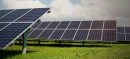
Alam stated that Pakistan has emerged as one of the fastest-growing solar markets globally. By the end of 2026, the country is expected to have 12 gigawatts of off-grid solar and over 6GW of net-metered solar capacity. These developments are crucial for achieving a new renewable energy target.
According to official data, renewable energy already accounted for 53% of Pakistan’s total electricity generation in the last fiscal year. Alam emphasized that this growth is a positive step toward reducing carbon emissions and achieving energy security.
The coordinator also highlighted the role of distributed solar kits in supporting flood-affected communities. These solar kits have helped restore power and livelihoods, providing a model for climate-resilient recovery. “Distributed solar is a lifeline for communities hit by extreme weather,” she said.
Pakistan’s commitment to renewable energy has received international recognition. At the IRENA Assembly, attended by over 1,500 delegates from 139 countries, the country was praised for its progress in clean energy adoption and energy transition.
Alam urged international financial institutions to provide increased concessional financing for developing countries. She emphasized that support for green technologies is essential for meeting global climate goals and ensuring sustainable development.
The government’s renewable energy target for 2030 aligns with Pakistan’s broader strategy to combat climate change, reduce reliance on fossil fuels, and enhance energy access for all regions. Officials believe that achieving this target will also attract private investment and create new jobs in the green energy sector.
Pakistan’s renewable energy initiatives include solar, wind, and small-scale hydropower projects. Experts say the focus on distributed solar and net-metered systems could transform rural electricity access and improve resilience against natural disasters.
With strong government support and international collaboration, Pakistan aims to meet its renewable energy target and strengthen its role in the global clean energy transition.
For more updates on Pakistan’s technology initiatives, read about the IT sector’s growth and government support. Check out the latest news on the launch of the National Industry Census and its impact on IT and other industries.