The World Meteorological Organization (WMO) has issued a new climate outlook warning that the El Niño pattern is likely to return by mid-year. The development is expected between May and July.
According to the WMO, there is high confidence that El Niño conditions will form after a period of neutral climate activity earlier this year. Early signals suggest the event could be strong in intensity.
The WMO explained that El Niño is a natural climate phenomenon. It involves warming of sea surface temperatures in the central and eastern equatorial Pacific Ocean. This warming affects global weather systems.
It can change rainfall patterns, wind movements, and atmospheric pressure. These shifts often lead to unusual weather conditions across different regions of the world.
The climate cycle alternates between El Niño and La Niña. Between these phases, neutral conditions occur. Each phase plays a major role in global weather variation.
The WMO noted that the last El Niño event contributed to record-breaking global temperatures. The year 2023 was among the hottest years on record. In 2024, global temperatures reached even higher levels.
Climate prediction experts at the WMO, including Wilfran Moufouma Okia, said forecast confidence will improve after April. He added that ocean temperatures in the equatorial Pacific are rising rapidly.
These rising sea temperatures increase the likelihood of El Niño returning in the coming months. Scientists are closely monitoring these changes.
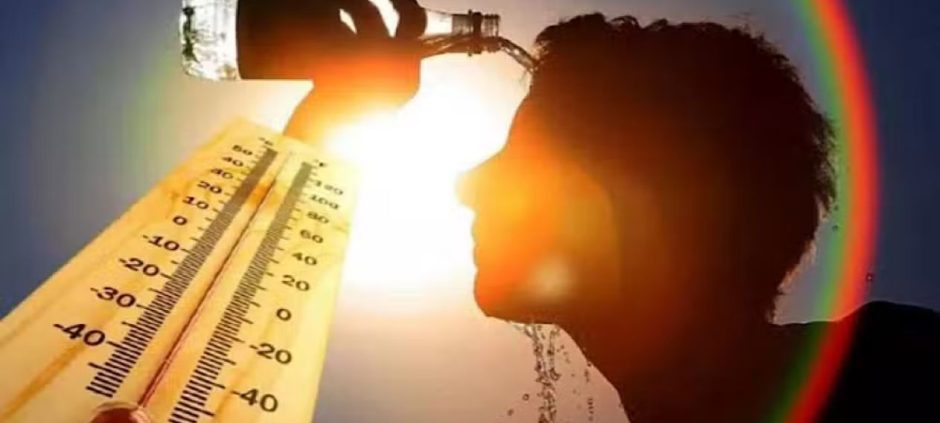
The WMO also expects above-normal land temperatures in many parts of the world over the next three months. This raises concerns about heat-related weather impacts.
Experts explained that climate change does not directly increase how often El Niño occurs. However, it can make its effects more severe.
This includes a higher chance of extreme weather events such as heatwaves and heavy rainfall. These impacts may vary by region.
The WMO continues to track global climate conditions using advanced forecasting systems. The organization aims to provide early warnings for governments and agencies worldwide.
In other related news also read The WMO reports that Pacific sea levels are rising faster than the global average
As the situation develops, meteorologists say close monitoring will be essential. The return of El Niño could significantly influence global weather patterns in the coming months.