Pakistani consumers are facing a heavy fuel-cost burden as taxes, levies and margins add more than Rs120 per litre to petrol and high-speed diesel prices.
As of August 24, 2026, petrol is selling at Rs341.59 per litre. High-speed diesel (HSD) is priced at Rs368.29 per litre.
According to the reported price breakdown, Rs130.75 per litre is added to petrol through taxes, levies and various margins. The additional burden on diesel stands at Rs122.47 per litre.
The basic cost of diesel is reported at Rs245.82 per litre. Its retail price is Rs368.29 per litre, leaving Rs122.47 per litre in additional costs.
Petrol carries an even higher additional burden. Around Rs130.75 per litre is added through different components before the fuel reaches consumers at its current retail price.
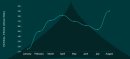
Petrol prices have followed a broadly upward trend during the second half of August. The rate remained around Rs325 to Rs328 per litre between August 10 and 13.
The petrol price increased to Rs331.20 on August 17 and reached Rs334.54 on August 18. It then climbed to Rs337.51 on August 19.
The rate edged up to Rs337.78 during August 20 and 21. It eventually reached Rs341.59 per litre from August 22.
Compared with mid-August levels, motorists are now paying around Rs13 to Rs17 more per litre for petrol. The increase has added further pressure on household budgets.
Diesel prices also remained elevated during the month. HSD was priced around Rs381 to Rs384 per litre between August 10 and 13.
The diesel price jumped to Rs390.42 on August 17. It then increased to around Rs395.69 on August 18, creating additional pressure for transport and logistics operators.
On August 19, the HSD price was reduced to Rs363.06 per litre. The reduction provided temporary relief after discussions related to refinery costs.
The relief was short-lived as diesel prices increased again. The rate moved to Rs364.70 before reaching Rs368.29 per litre by August 22.
August Fuel Prices
| Period | Petrol | Diesel |
|---|---|---|
| Aug 3–6 | Rs328–334 | Rs383–390 |
| Aug 10–13 | Rs325–328 | Rs381–384 |
| Aug 17–18 | Rs331.20 → Rs334.54 | Rs390.42 → Rs395.69 |
| Aug 19 | Rs337.51 | Rs363.06 |
| Aug 20–21 | Rs337.51 → Rs337.78 | Rs363.06 → Rs364.70 |
| Aug 22–24 | Rs341.59 | Rs368.29 |
Pakistan shifted toward a daily petroleum pricing mechanism around July 2026. The change replaced the previous weekly price revision system.
The mechanism is managed by the Oil and Gas Regulatory Authority (OGRA) under the Petroleum Division. It takes international oil market movements into account through rolling averages of Platts Arab Gulf benchmarks.
Other components are also included in the final price. These include domestic costs, taxes, petroleum levies and different dealer and distribution margins.
The daily pricing system was introduced during a period of major volatility in global oil markets. International supply concerns have also influenced petroleum price movements.
Higher fuel prices have a direct impact on household budgets. They can increase commuting costs and raise expenses for businesses that depend on transportation.
Diesel prices have an even wider economic impact. Transport companies, freight operators, farmers and logistics businesses rely heavily on HSD for their operations.
A sustained rise in diesel prices can increase transportation and production costs. These higher costs can eventually affect the prices of goods and services across the economy.
For consumers, the latest fuel prices mean that a significant portion of every litre purchased goes toward taxes, levies and other pricing components. The continued rise in petrol and diesel prices therefore remains a major financial concern.
Also read: Pakistan Post Reduces Monthly Fuel Allowance for Staff