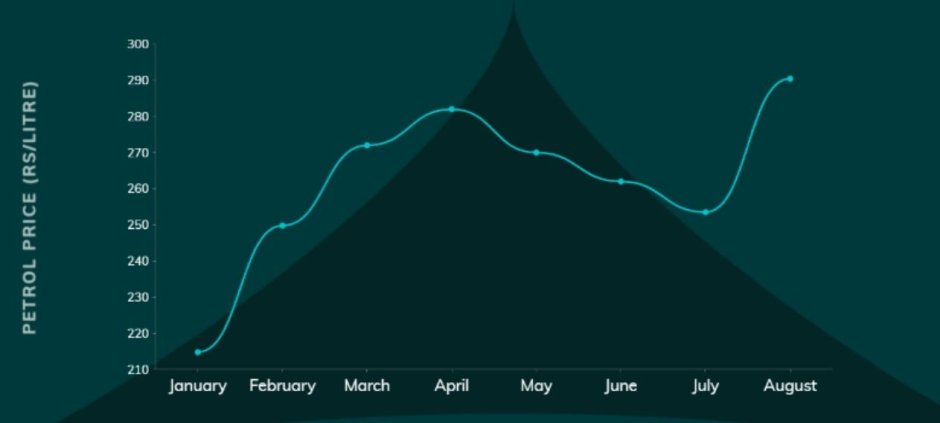
International crude oil prices have fallen sharply, with Brent crude dropping below $100 per barrel, but Pakistani consumers may have to wait before the decline is reflected in local petrol prices.
The delay is linked to the way Pakistan calculates domestic fuel prices. Instead of immediately passing every daily movement in international oil prices on to consumers, the Petroleum Division uses a seven-working-day rolling average of international market prices when determining fuel prices.
This mechanism means that a sudden fall in crude prices does not automatically translate into an equally quick reduction in petrol prices at local fuel stations.
Brent Crude Falls Below $100
At the time of reporting, Brent crude was trading at around $99.70 per barrel, while West Texas Intermediate (WTI) was near $91 per barrel.
Meanwhile, Murban crude was trading at approximately $114 per barrel.
The decline in international oil prices has attracted attention in Pakistan because crude oil prices are an important factor in determining the cost of imported petroleum products.
However, changes in the international market generally take time to work through Pakistan’s fuel-pricing mechanism.
Seven-Day Average Delays Price Changes
One of the main reasons Pakistani consumers may not immediately see cheaper petrol is the use of a seven-working-day rolling average.
The Petroleum Division considers international oil price movements over this period rather than basing the domestic price solely on the latest market rate.
As a result, even when crude prices decline sharply in a single trading session, previous higher prices remain part of the calculation.
This can delay the impact of falling international oil prices on domestic petrol prices.
The same mechanism can also mean that domestic prices do not necessarily move in line with a single day’s rise or fall in global crude markets.
US-Iran Talks Influence Oil Markets
The latest decline in crude prices comes as global markets closely monitor developments involving the United States and Iran.
Investors are watching for potential progress in diplomatic talks between Washington and Tehran. Any improvement in relations could reduce concerns about further disruptions to oil supplies from the region.
The possibility of reduced geopolitical risk has contributed to pressure on international oil prices.
However, the market remains uncertain, and traders are continuing to assess whether the recent decline represents a lasting trend or a temporary movement.
Oil Prices Remain Volatile
The recent fall in crude prices has not been a straightforward downward movement.
International oil markets have remained sensitive to geopolitical developments, supply concerns and expectations surrounding diplomatic negotiations.
Traders are also watching developments following the United Nations General Assembly session, with expectations that further clarity around US-Iran talks could influence crude prices.
Some market participants who had previously positioned themselves for lower oil prices are also closing those positions while waiting for clearer signals from diplomatic developments.
These factors can contribute to additional short-term volatility in international crude prices.
G7 Calls on Iran Over Yemen
The international diplomatic environment is also affecting oil-market sentiment.
Foreign ministers from the Group of Seven (G7) have called on Iran to stop arming Yemen. Such diplomatic statements are being closely followed because developments involving Iran and the wider Middle East can influence expectations about regional stability and energy supplies.
For oil-importing countries such as Pakistan, changes in international crude prices can have a direct impact on the cost of imported fuel.
However, the effect on consumers depends not only on the latest crude price but also on the domestic pricing mechanism and other components included in the final petrol price.
Why Cheaper Crude Does Not Mean Cheaper Petrol Immediately
The seven-working-day average is therefore an important factor when understanding why petrol prices in Pakistan may not fall immediately after a sharp decline in international crude prices.
If global oil prices continue to decline over several trading days, lower prices can gradually enter the rolling average used for the domestic calculation.
On the other hand, if international prices rebound quickly, the impact of the earlier decline may be partly offset.
This means consumers may need to wait for several working days before the full effect of a sustained decline becomes visible in domestic fuel prices.
For Pakistani motorists, the timing of the next fuel-price revision will therefore depend on the average international prices used in the calculation, rather than simply the latest Brent or WTI price.
Also read: Petrol Relief Scheme Registration Process Announced