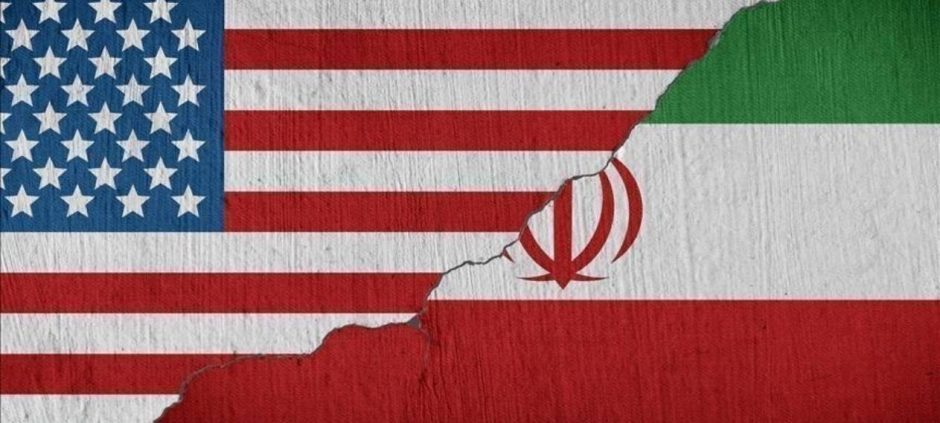
The US has announced a five-day pause on strikes targeting Iran’s energy infrastructure. The decision comes at a critical moment in the ongoing conflict. Officials say the pause may allow space for possible diplomatic engagement.
However, Iran has denied that any direct talks with the US are taking place. This has raised questions about the real purpose behind the move. Analysts believe the pause may serve both military and political goals.
Hassan Ahmadian, an associate professor at the University of Tehran, explained two possible outcomes. He said the US could be stepping back from earlier threats. Another possibility is that the pause is part of a plan to prepare for a stronger attack later.
The pause applies only to Iran’s energy facilities. It does not mean a complete stop to all US military operations. Experts suggest that other strategic targets may still remain under pressure.
At the same time, reports indicate increased US military activity in the region. The deployment of the USS Tripoli shows growing naval presence near the Gulf. The ship carries thousands of Marines and advanced equipment.
The Strait of Hormuz remains a key concern. A large portion of global oil passes through this narrow route. Any disruption here can impact international energy markets.
Following the announcement, global markets reacted quickly. Oil prices dropped below $90 per barrel. Stock markets in the US also showed signs of recovery. Investors welcomed the temporary reduction in tension.
Despite this, the situation remains uncertain. The US has not signaled a full de-escalation. Military movements suggest that preparations are still ongoing. Iran is also believed to be ready for different possible scenarios.
The coming days are expected to be crucial. The pause may lead to talks, or it could precede further escalation. For now, the region remains tense, with both sides watching closely.
In other related news also read US Eases Sanctions with Temporary Iranian Oil Waiver
The US decision has provided short-term relief. However, long-term stability in the Gulf is still unclear.