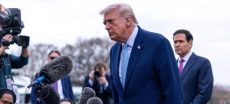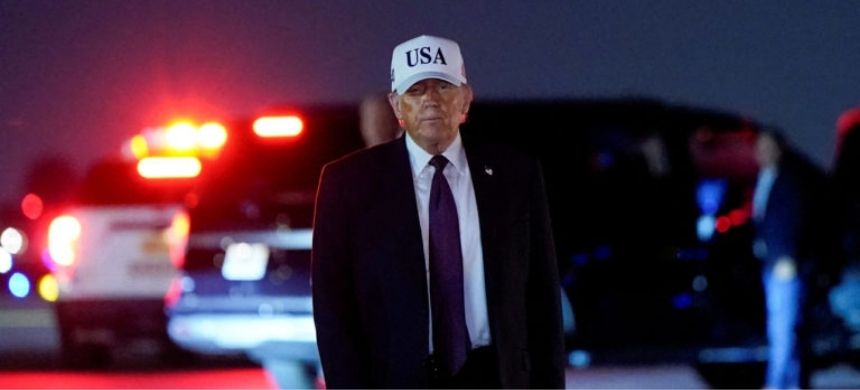
Donald Trump has stated that the United States has not yet used its full military strength against Tehran, warning that a much more destructive phase of the conflict could be approaching. The US president described the possibility of a coming “big wave” and advised civilians to stay indoors, stressing that it is currently unsafe to be outside as operations intensify. Despite several days of strikes, he claimed that America has not truly begun striking at maximum capacity, raising concerns about a potential escalation.
Reports suggest Washington is also considering additional non-military strategies aimed at influencing Iran’s political direction. While officials have not disclosed details, sources indicate discussions are underway about steps that could shift the balance of power beyond direct combat.
Meanwhile, Iran’s Islamic Revolutionary Guard Corps announced a new wave of missile and drone attacks, targeting areas including Beersheba in Israel. Senior Iranian figure Ali Larijani declared that Tehran is ready for a long-term confrontation and will protect its sovereignty at any cost. He dismissed accusations that Iran initiated the conflict and pledged firm resistance against what he called enemy aggression.
On the diplomatic front, Iran’s Foreign Minister Abbas Araghchi appealed to the United Nations and global leaders, alleging violations of international law and calling for urgent intervention to stop the strikes.
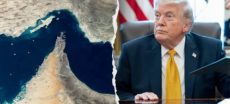
At the same time, China urged an immediate ceasefire, warning that prolonged instability could disrupt the global economy and threaten energy routes through the Strait of Hormuz. The US is also increasing its military presence in the Middle East, describing the move as precautionary, though critics fear it may widen the conflict further.
Also Read: Trump Praises Pakistan Amid Afghan Border Escalation