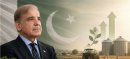
Prime Minister Shehbaz Sharif has described agriculture as the backbone of Pakistan’s economy, saying the sector has significant potential to drive economic growth in the short term and strengthen the country’s export performance.
Chairing the first meeting of the National Agriculture and Food Security Council in Islamabad on Tuesday, October 13, 2026, the prime minister highlighted the importance of agricultural development, livestock production and food security in improving the country’s economic outlook.
He said agriculture could play a major role in supporting economic activity, creating opportunities for farmers and increasing Pakistan’s export earnings.
The prime minister also emphasised the potential of the livestock sector, particularly in expanding exports of Pakistani halal meat to international markets.
Agriculture Identified as a Driver of Economic Growth
During the meeting, Shehbaz Sharif stressed that agriculture remained one of the most important sectors of Pakistan’s economy.
The sector supports rural livelihoods, provides raw materials for several industries and contributes to the country’s food supply. Improvements in agricultural productivity can also benefit related businesses, including food processing, transportation and storage.
The prime minister said agriculture had the capacity to contribute to economic growth in the short term, highlighting the need to focus on the sector’s development.
Greater productivity, improved facilities for farmers and better access to markets can help strengthen agricultural output and support rural economic activity.
However, achieving sustained progress will require coordinated efforts to address the challenges faced by farmers and improve the efficiency of agricultural production.
Livestock Sector Holds Export Potential
The prime minister also highlighted the livestock sector as an important opportunity for increasing Pakistan’s exports.
He said the government was taking steps to expand exports of Pakistani halal meat, which could help the country strengthen its position in international markets.
Livestock production is an important component of Pakistan’s agricultural economy. Expanding export opportunities could create additional demand for livestock products and support businesses involved in farming, processing and distribution.
To benefit from international demand, exporters generally need to meet destination-country requirements for food safety, animal health, processing standards and halal certification.
Improving these areas can help strengthen confidence among international buyers and support the development of a more competitive export sector.
The prime minister’s remarks highlighted the government’s interest in using livestock production and halal meat exports to support economic activity.
Federal Government Pledges Support to Provinces
Shehbaz Sharif said the federal government would extend all possible support to provincial governments to promote agricultural development.
Agriculture-related responsibilities involve cooperation between federal and provincial authorities, particularly in areas affecting farmers, production, market access and food security.
Closer coordination could help align development initiatives and improve the delivery of facilities and support to farming communities.
The prime minister’s commitment signals the importance the federal government is placing on cooperation with the provinces to strengthen the agricultural sector.
The effectiveness of these efforts will depend on how proposed measures are implemented and whether they address the practical needs of farmers and agricultural businesses.
Sindh Chief Minister Praised for Farmers’ Development
During the meeting, the prime minister praised the Sindh chief minister for efforts to promote farmers’ development and improve the facilities available to them.
Shehbaz Sharif acknowledged the work being carried out to support the farming community, underscoring the importance of provincial initiatives in improving agricultural conditions.
Farmers’ access to suitable facilities and support can influence productivity, costs and their ability to respond to changing market conditions.
The recognition also highlighted the role provincial governments can play in implementing measures designed to improve agricultural performance and strengthen rural livelihoods.
Food Security Remains an Important Priority
The first meeting of the National Agriculture and Food Security Council also placed agriculture and food security in focus at the federal level.
Food security depends on reliable agricultural production, effective supply chains and the availability of food at affordable prices.
Strengthening agricultural productivity can help support domestic food supplies while creating opportunities to increase exports where production exceeds local requirements.
At the same time, improvements in farming practices, infrastructure and coordination between relevant authorities can help make the agricultural system more resilient.
The council’s work will be important in coordinating efforts to promote agricultural development and address issues affecting food security.
Outlook for Pakistan’s Agricultural Sector
The prime minister’s remarks reflect the government’s view that agriculture and livestock can contribute to Pakistan’s economic growth and export development.
Expanding halal meat exports could provide opportunities for producers and businesses, while stronger agricultural productivity could support farmers and related industries.
However, translating this potential into sustained economic gains will require effective implementation, improved facilities and cooperation between federal and provincial authorities.
The government has pledged support to the provinces, while the prime minister has highlighted agriculture as a sector capable of contributing to near-term growth.
Further details about specific initiatives, funding allocations or measurable targets were not included in the supplied report.