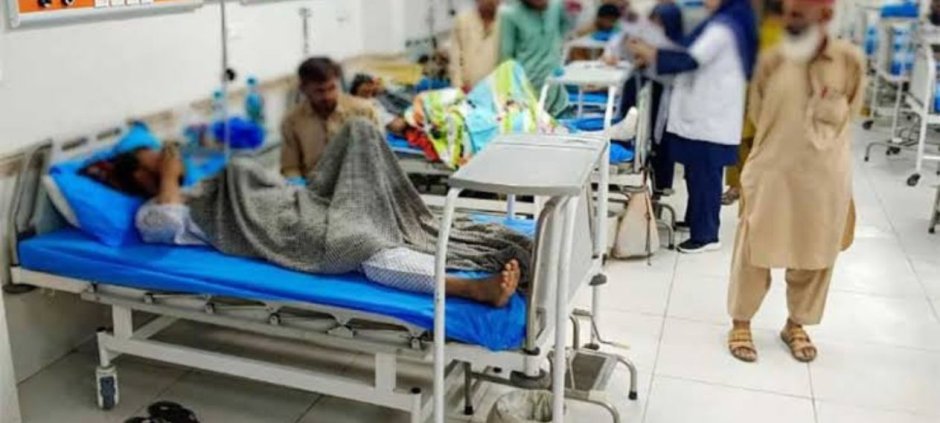
More than 35,000 patients experiencing flu-, COVID-19- and influenza-like symptoms have been reported at six major government hospitals in Lahore over the past seven days, raising concerns about the combined impact of worsening smog and seasonal respiratory infections.
The sharp increase in hospital visits comes as air pollution continues to affect the provincial capital, with residents reporting fever, cough, cold, sore throat and body aches.
According to hospital sources cited in media reports, Mayo Hospital recorded the highest number of patients, receiving more than 11,000 people with similar symptoms during the week. Services Hospital reported over 9,800 patients, while Jinnah Hospital received more than 1,000.
Thousands of additional patients also sought treatment at Lahore General Hospital, Sir Ganga Ram Hospital and Children’s Hospital.
Sources further reported that rapid testing had detected positive COVID-19 cases, adding to concerns about the spread of respiratory infections.
However, the reported 35,000 figure represents patients with overlapping symptoms rather than confirmed cases of a single mysterious illness. Doctors have warned that COVID-19, seasonal influenza and smog-related respiratory problems can produce similar symptoms. <Cite refs={[“turn441804search0″,”turn441804search5”]}/>
Mayo Hospital Reports More Than 11,000 Patients
Mayo Hospital recorded the largest number of patients experiencing flu-, COVID-19- and influenza-like symptoms during the reported seven-day period.
According to hospital sources, more than 11,000 people visited the facility with complaints including fever, cough, cold, throat irritation and body aches.
Services Hospital recorded the second-highest number, with more than 9,800 patients seeking medical attention for similar symptoms.
Jinnah Hospital also reported more than 1,000 patients during the same period.
Thousands of additional patients visited three other major government healthcare facilities in Lahore.
The reported distribution is as follows:
| Government Hospital | Reported Patients |
|---|---|
| Mayo Hospital | More than 11,000 |
| Services Hospital | More than 9,800 |
| Jinnah Hospital | More than 1,000 |
| Lahore General Hospital | Thousands |
| Sir Ganga Ram Hospital | Thousands |
| Children’s Hospital | Thousands |
| Combined total | More than 35,000 |
The figures highlight the pressure being placed on Lahore’s public healthcare facilities as respiratory complaints increase across the city.
However, the individual breakdown for the remaining three hospitals has not been provided in the reported figures.
COVID-19 Cases Detected Through Rapid Testing
Hospital sources have also reported that rapid testing identified positive COVID-19 cases among patients presenting with respiratory symptoms.
The findings have raised concerns about the possibility of multiple infections circulating simultaneously.
COVID-19 and seasonal influenza can both cause fever, cough, sore throat, fatigue and body aches. Smog exposure can also cause coughing, throat irritation, breathing difficulties and other respiratory complaints.
Because these conditions can produce similar symptoms, doctors have advised people against assuming that every case of fever or cough is caused by the same illness.
Proper medical assessment and testing may be necessary to determine the underlying cause and identify appropriate treatment.
The reported positive tests indicate that COVID-19 infections are present among the patients examined, but the available figures do not establish how many of the 35,000 patients had confirmed coronavirus infections.
Doctor Warns Against Ignoring Flu-Like Symptoms
Professor Shahbaz Ghori, Head of the Ear, Nose and Throat (ENT) Department at Services Hospital, has advised residents not to dismiss respiratory symptoms.
He explained that different COVID-19 variants may cause less severe illness than earlier strains, but people should still take symptoms seriously.
The professor urged patients experiencing flu-like complaints to consult qualified medical professionals rather than attempting self-diagnosis or taking medication without proper medical advice.
Medical assessment is particularly important for people experiencing persistent fever, worsening cough, breathing difficulties or other symptoms that do not improve.
The warning also highlights the importance of distinguishing between infections and respiratory irritation caused by environmental pollution.
Although symptoms may appear similar, the appropriate treatment can differ depending on the underlying condition.
Smog Adds to Lahore’s Respiratory Health Concerns
The increase in hospital visits comes during a period of severe air pollution in Lahore.
Thick smog has affected several parts of the city, exposing residents to elevated concentrations of harmful airborne pollutants.
Fine particulate matter, particularly PM2.5, is a major concern because these particles can enter deep into the respiratory system.
Exposure can irritate the eyes, nose, throat and lungs, while worsening existing respiratory and cardiovascular conditions.
The combination of polluted air and seasonal viral infections can make the situation particularly challenging for people who already have asthma, chronic lung diseases or other underlying health problems.
Children, elderly people and individuals with weakened immune systems may also require additional precautions.
The growing number of hospital visits has therefore raised concerns about the combined pressure of environmental pollution and circulating respiratory infections.
How Smog and Viral Infections Can Produce Similar Symptoms
One challenge highlighted by medical professionals is that air pollution and respiratory infections can produce overlapping symptoms.
COVID-19 and influenza are viral illnesses that may cause fever, cough, fatigue, sore throat and body aches.
Smog exposure, meanwhile, can trigger coughing, throat irritation, chest discomfort, breathing difficulties and worsening respiratory symptoms.
This overlap can make it difficult for individuals to identify the cause of their illness without medical evaluation.
Doctors have therefore advised residents to seek professional assessment rather than relying entirely on symptoms to determine whether they have COVID-19, influenza or pollution-related irritation.
Testing may be recommended depending on the patient’s symptoms, medical history and clinical condition.
Precautionary Measures Recommended for Lahore Residents
As pollution and seasonal respiratory infections continue to affect the city, residents have been advised to reduce unnecessary exposure and maintain proper hygiene.
People can take several precautions to protect themselves:
- Wear protective masks: Use a properly fitted N95 respirator when outdoor pollution levels are severe.
- Limit outdoor activities: Avoid unnecessary outdoor exercise and prolonged exposure to heavily polluted areas.
- Maintain indoor air quality: Keep windows closed during periods of severe pollution when practical and use suitable air filtration if available.
- Maintain personal hygiene: Wash hands regularly and follow respiratory hygiene practices to reduce the spread of infections.
- Avoid self-medication: Consult a qualified doctor when experiencing persistent or worsening symptoms.
- Protect vulnerable individuals: Take additional precautions for children, elderly people and those with existing respiratory or heart conditions.
People experiencing severe breathing difficulties or other serious symptoms should seek urgent medical attention.
Public Hospitals Face Additional Pressure
The reported increase of more than 35,000 patients in one week highlights the additional workload facing major government hospitals in Lahore.
Facilities such as Mayo Hospital, Services Hospital, Jinnah Hospital, General Hospital, Sir Ganga Ram Hospital and Children’s Hospital serve large populations from Lahore and surrounding areas.
A sustained increase in respiratory complaints can place additional pressure on outpatient departments, diagnostic services, emergency facilities and medical staff.
The situation also reinforces the importance of public awareness, timely medical consultation and effective monitoring of respiratory infections.
Alongside treatment facilities, efforts to reduce environmental pollution remain important for protecting public health.
What Residents Should Know About the 35,000 Figure
The reported figure of more than 35,000 patients covers seven days of hospital reporting across six major government facilities.
It should not be interpreted as 35,000 confirmed COVID-19 cases or as evidence of a newly identified disease.
The patients reportedly presented with symptoms associated with flu, influenza, COVID-19 and respiratory irritation linked to smog.
Some positive COVID-19 rapid-test results were reported, but authorities have not provided a complete breakdown of confirmed infections, influenza cases or pollution-related complaints.
For residents, the most important advice from doctors is to avoid ignoring symptoms, reduce exposure to polluted air and seek medical assessment when necessary.
With smog and seasonal respiratory infections affecting Lahore simultaneously, public health precautions and timely treatment remain essential.
Also read: Rs. 260k Government Medicines Stolen From Lahore Hospital