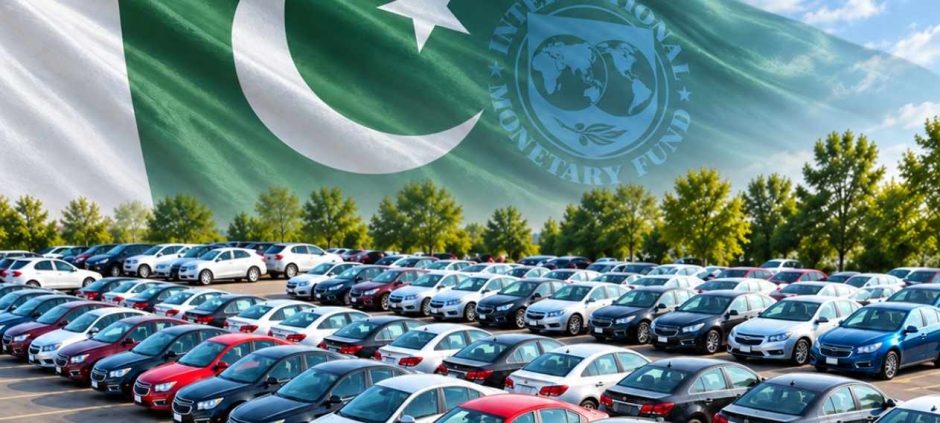
Pakistan’s new five-year Auto Policy for 2026-2031 may face further delays as the government has linked its final approval to consultations with the International Monetary Fund (IMF).
According to sources in the Ministry of Industries and Production, the draft of the new Auto Development and Export Policy has already been prepared. However, the government is expected to discuss the proposed policy with the IMF before granting final approval.
The development has created uncertainty over when the new policy will officially come into effect, particularly after the previous auto policy expired on June 30, 2026.
New Auto Policy Draft Ready
The government has completed the draft of the Auto Development and Export Policy 2026-2031, which is intended to provide a framework for Pakistan’s automotive sector over the next five years.
However, the policy has not yet received final approval.
Sources said the government will hold consultations with the IMF during the Fund’s upcoming review mission. The policy is expected to be discussed as part of those talks before the authorities finalize the new framework.
The decision could further extend the timeline for the policy’s launch, which has already been postponed several times.
IMF Review Mission to Visit Pakistan
The IMF review team is scheduled to visit Pakistan from September 23, 2026.
According to ministry sources, the draft auto policy will be presented and discussed with the IMF team during the review talks.
The government’s decision to consult the IMF before approving the policy highlights the importance of ensuring that proposed measures related to the automotive industry remain consistent with Pakistan’s broader economic commitments.
The final outcome of the consultations could determine whether changes are required before the policy is formally approved.
Previous Auto Policy Expired in June
Pakistan’s previous Auto Industry Development and Export Policy expired on June 30, 2026.
The government had initially expected to introduce its replacement policy in July. However, the launch was later pushed to August and has now remained uncertain due to unresolved differences over several key measures.
The gap between the expiry of the previous policy and approval of its replacement has created uncertainty for automakers, investors and other stakeholders in the automotive sector.
Taxes and Tariffs Create Differences
One of the major issues delaying the new policy involves proposed changes to vehicle taxes, tariffs and incentives.
The government has been considering different measures aimed at supporting the automotive industry, but differences over the proposed framework have prevented the policy from being finalized.
The proposed incentives for electric vehicles and hybrid vehicles are also among the areas requiring further consideration.
The final structure of these concessions could have an impact on vehicle prices, investment decisions and the future development of Pakistan’s electric and hybrid vehicle market.
Electric and Hybrid Vehicles in Focus
Electric and hybrid vehicles are expected to remain an important part of discussions surrounding the new auto policy.
Potential concessions for these vehicles could encourage manufacturers and consumers to move toward more fuel-efficient and environmentally friendly transportation options.
However, any reduction in taxes or tariffs would need to be considered alongside the government’s revenue requirements and broader economic commitments.
This balance between supporting the automotive industry and maintaining fiscal stability is one of the issues that could make the policy discussions with the IMF particularly important.
Policy Launch Remains Uncertain
With the IMF review mission scheduled to arrive on September 23, the final timeline for approval of the Auto Policy 2026-2031 remains unclear.
The government is expected to assess the IMF’s feedback before taking a final decision on the draft policy.
If changes are requested during the consultations, the policy could require further revisions before approval.
For Pakistan’s automotive industry, the new policy is expected to provide greater clarity on taxes, tariffs, investment incentives and the government’s approach toward electric and hybrid vehicles.
Until the IMF consultations are completed and the government grants final approval, the launch date of the new five-year auto policy remains uncertain.
The delay also highlights the wider challenges facing Pakistan’s automotive sector as policymakers attempt to balance industrial growth, consumer affordability, investment incentives and the country’s fiscal commitments.
Also read: Pakistan Finalizes New Auto Policy 2026-31