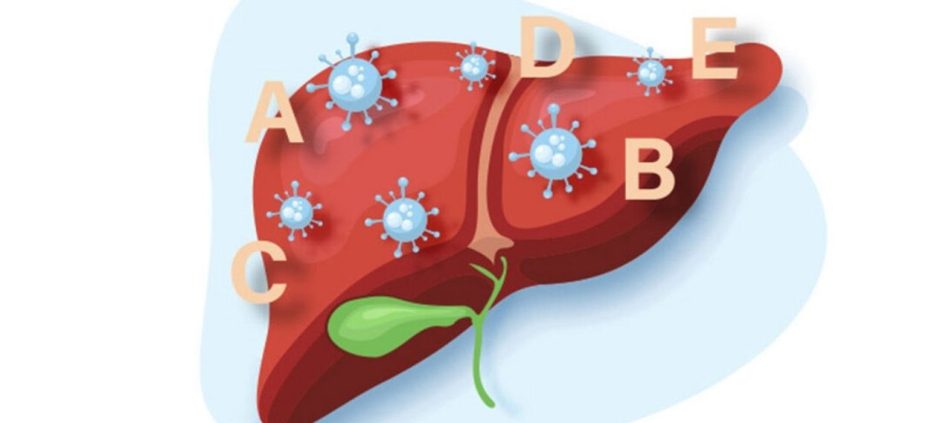
Pakistan has one of the highest viral hepatitis burdens in the world, according to the Pakistan Medical Association (PMA). As World Hepatitis Day is being observed on Tuesday, health experts have renewed calls for stronger prevention, early diagnosis, and better treatment to reduce the spread of the disease.
PMA Secretary General Dr. Abdul Ghafoor Shoro said Pakistan ranks fifth globally in terms of the total number of people living with viral hepatitis. He shared updated figures showing that millions of people across the country continue to live with chronic hepatitis infections.
According to the PMA, around 10 million people in Pakistan have chronic Hepatitis C. Another 3.8 million people are living with Hepatitis B. This brings the total number of hepatitis patients in the country to approximately 13.8 million.
Dr. Shoro said the national prevalence of Hepatitis C ranges from 4.8 percent to 7.5 percent. Hepatitis B affects between 1.1 percent and 1.7 percent of the population. These figures highlight the continued public health challenge facing Pakistan.
He also warned that hepatitis-related complications claim more than 37,000 lives every year. Many of these deaths are caused by serious conditions such as liver cirrhosis and liver cancer. Health experts say many of these complications can be prevented through timely diagnosis and proper medical care.
According to the PMA, several unsafe medical practices continue to contribute to the spread of hepatitis. These include the use of contaminated injections, unscreened blood transfusions, reused syringes, unsterilized medical equipment, and weak infection control measures in healthcare settings.
Medical experts believe improving safety standards can significantly reduce new infections. They also stressed the importance of using disposable syringes, ensuring blood is properly screened before transfusion, and maintaining strict hygiene in hospitals and clinics.
President Asif Ali Zardari also highlighted the seriousness of the issue. He described hepatitis as a major public health challenge for the country. He said early detection, timely treatment, and effective prevention strategies are essential to eliminate the disease.
The President called on the government to strengthen regulation of unsafe medical practices. He also emphasized the need for nationwide awareness campaigns to educate people about hepatitis prevention and the importance of regular screening.
Speaker of the National Assembly Sardar Ayaz Sadiq said hepatitis can become life-threatening if it remains undiagnosed or untreated. He urged authorities to improve prevention efforts, expand early diagnosis, and increase access to quality healthcare services.
Deputy Speaker Syed Ghulam Mustafa Shah also stressed the need for greater public awareness. He said equal access to treatment and stronger health services are important to control the disease across the country.
In other related news also read China Expresses Concern Over Pakistan-Afghanistan Tensions
Health experts say the fight against hepatitis requires cooperation between the government, healthcare providers, and the public. Increasing awareness, improving infection control, and expanding access to testing and treatment can help reduce the disease burden. With continued efforts, Pakistan can make meaningful progress in preventing new infections and protecting public health.