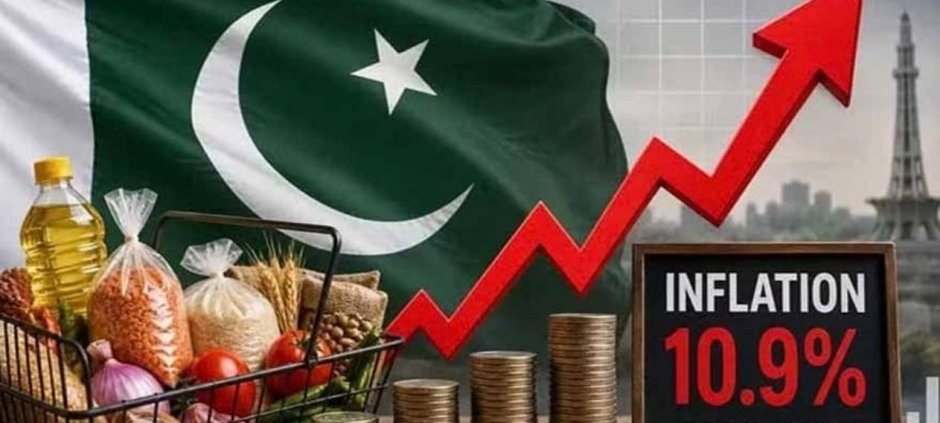
Pakistan’s inflation rate remained in double digits for the second consecutive month, reaching 10.3% in September 2026, according to the latest data released by the Pakistan Bureau of Statistics (PBS).
The inflation rate increased by 1.3 percentage points during September, keeping price pressures above the 10% mark for a second consecutive month.
The latest figures show that inflation continued to affect major household expenses, including transport, housing, utilities, food, healthcare and education.
Urban and Rural Inflation
According to PBS data, inflation stood at 10.1% in urban areas and 10.5% in rural areas during September.
The average inflation rate for the first quarter of the ongoing fiscal year, covering July to September, was recorded at 10.20%.
The figures indicate that price increases remained widespread across both urban and rural markets, with several essential categories recording significant annual increases.
Transport and Housing Costs Rise
Transport costs recorded one of the largest annual increases during September.
According to the PBS report, transport fares increased by up to 27.43% compared with the same month last year.
The cost of housing, water, electricity, gas and fuel also increased significantly, rising by 12.39% on an annual basis.
During September alone, electricity prices increased by 15.28%, while motor fuel prices rose by 11.13%.
These increases contributed to higher household expenses and added to overall inflationary pressure.
Food Prices Remain Higher
Food prices increased by 8.20% compared with September last year.
Perishable food items recorded an even higher increase of 11.78%, reflecting continued price pressure on several food products.
In rural areas, the price of onions increased by more than 39% during the month.
Other food items that recorded increases included gram lentils, which rose by 2.42%, wheat flour by 1.72% and wheat by 1%.
Chickpeas, vegetables, masoor lentils and prepared food also became more expensive during September.
Healthcare and Education Costs Increase
The latest inflation figures also showed higher costs in healthcare and education.
Healthcare expenses increased by 7.88% on an annual basis, while education costs rose by 7.77%.
The report also recorded increases in the prices of medical tests, doctors’ fees and medicines.
Furniture, plastic products and construction materials also became more expensive, while marriage hall charges recorded an increase during the month.
Some Prices Decline
Despite the overall increase in inflation, prices of several food items declined during September.
The prices of tomatoes, chicken, moong lentils, eggs, fruits, potatoes, milk, sugar and rice decreased during the month.
Transport fares and textbook prices also recorded declines.
These reductions provided some relief in individual categories, although the overall inflation rate remained above 10%.
Inflation Remains a Key Economic Indicator
The September figures highlight continued price pressures across major areas of household spending.
With annual inflation reaching 10.3%, consumers continued to face higher costs for transportation, utilities, food, healthcare and education.
The rural inflation rate of 10.5% was slightly higher than the urban rate of 10.1%, while the July-September average stood at 10.20%.
The latest PBS data will remain important for policymakers, businesses and consumers as they assess the direction of prices during the coming months.
Also read: IMF Projects Inflation Rise in Pakistan