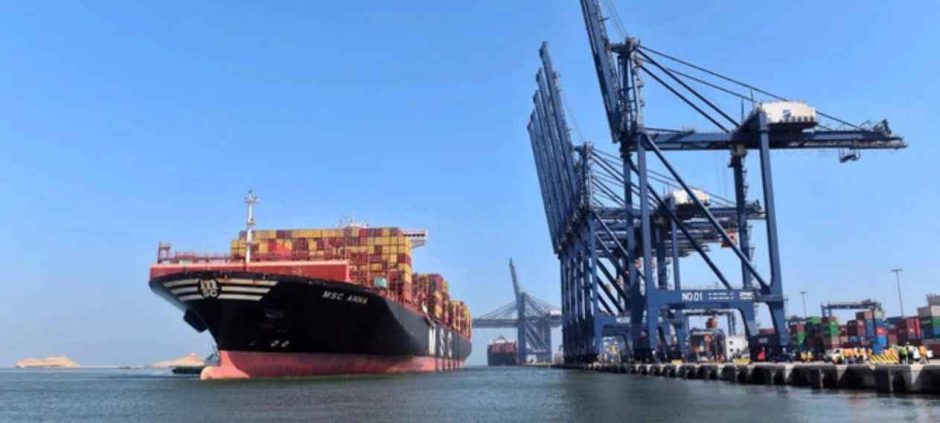
Pakistan could face additional pressure on fuel prices as international oil shipping costs continue to rise.
The cost of transporting crude oil across major shipping routes has increased sharply. Recent market data shows a significant jump in freight costs.
Shipping two million barrels of crude from West Africa to China now costs around $23.59 per barrel.
The cost stood at about $6.50 per barrel in July. This represents an increase of around 258 percent in two months.
The sharp rise has created another challenge for the global physical oil market. Market attention has largely remained focused on crude oil futures.
However, transportation costs also affect the final price of petroleum products. Higher freight charges can increase the cost of importing oil.
Other expenses can also influence the final import bill. These include insurance, supply-chain charges, and other transportation costs.
Pakistan depends heavily on imported crude oil and petroleum products. Any prolonged rise in shipping expenses could therefore increase import costs.
Higher international freight rates could affect the country even without a similar rise in crude prices.
The impact could become clearer during the next domestic fuel price review. Authorities may need to consider both crude prices and transportation expenses.
Pakistan has already experienced significant increases in petrol and diesel prices. Fuel costs have risen amid wider international energy market pressures.
According to current market data, petrol reached around Rs.389 per litre on September 19. Diesel was priced at more than Rs.424 per litre.
The higher fuel prices have also affected domestic transportation costs. Goods transporters recently announced additional increases in freight charges.
Transporters raised freight rates by seven percent following recent fuel price increases. They also warned about further action if their demands remain unresolved.
The international shipping situation has also been affected by wider geopolitical risks. Energy infrastructure has faced attacks during the ongoing Russia-Ukraine conflict.
On September 20, Russian authorities reported a major Ukrainian drone attack around Moscow. More than 1,600 drones were reportedly intercepted since Saturday.
Russian officials said several drones reached the Moscow oil refinery. Reuters also reported damage to the refinery following the attack.
The refinery is an important part of Moscow’s fuel supply network. The attack could add further uncertainty to regional energy markets.
However, the direct impact of the Moscow refinery incident on Pakistan’s fuel prices remains uncertain.
For Pakistan, international shipping costs remain an important factor in the petroleum import bill. Any sustained increase could add pressure during future fuel price reviews.
The final impact will depend on crude prices, freight charges, exchange rates, and other import costs.
In other related news also read Pakistan Launches First Competitive Electricity Wheeling Auction
Consumers could therefore face further pressure if international oil transportation costs remain elevated. Authorities will assess these factors when determining future domestic fuel prices.