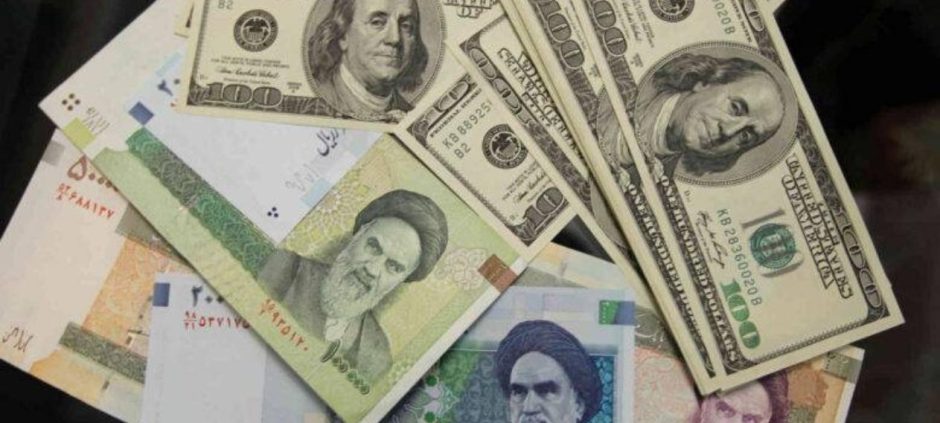
The Iranian rial is currently trading at a strong premium in Pakistan’s informal currency markets. Activity remains high across major cities including Karachi, Quetta, and Lahore.
According to verified open-market quotations, one crore Iranian rial (10,000,000 IRR) is being exchanged between PKR 8,000 and PKR 10,000. This pricing is recorded in licensed dealer networks operating in informal segments.
The Iranian rial is seeing increased demand due to cross-border trade settlements. Speculative trading is also contributing to rising activity in local markets.
Market data suggests a clear difference between informal and international rates. In Pakistan’s informal system, the exchange value is estimated at 1 PKR equal to 1,000 IRR. This means 10 PKR equals around 10,000 IRR.
In comparison, international benchmark rates show 1 PKR equals approximately 4,738 IRR. This creates a significant gap between local informal pricing and global reference values.
The Iranian rial premium in Pakistan is therefore nearly 4.7 times higher than the international market rate. This difference reflects structural and regional trading conditions.
Experts link this gap to limited banking channels for cross-border settlements. Trade activity along the Balochistan–Iran border also plays an important role.
Dealer liquidity issues and localized demand are further contributing to pricing differences. These factors keep informal market rates higher and more volatile.
Weekly data shows that the Iranian rial rate for one crore has increased from PKR 6,500–8,500. It is now trading between PKR 8,000–10,000. This represents a weekly rise of around 15% to 25%.
Daily transaction volumes are estimated at $4–6 million equivalent. Most activity comes from border trade, remittances, and short-term speculative positions.
Market participants are advised to confirm live rates before trading. Official exchange companies and ECAP-member dealers provide more reliable pricing compared to informal channels.
The Iranian rial remains under pressure globally due to inflation, sanctions, and economic challenges in Iran. These factors continue to affect its long-term value.
In other related news also read Iranian Rial to Pakistani Rupee Rate Today – April 17, 2026
Overall, the current movement in the Iranian rial highlights strong regional demand and the growing gap between informal and international currency markets in Pakistan.