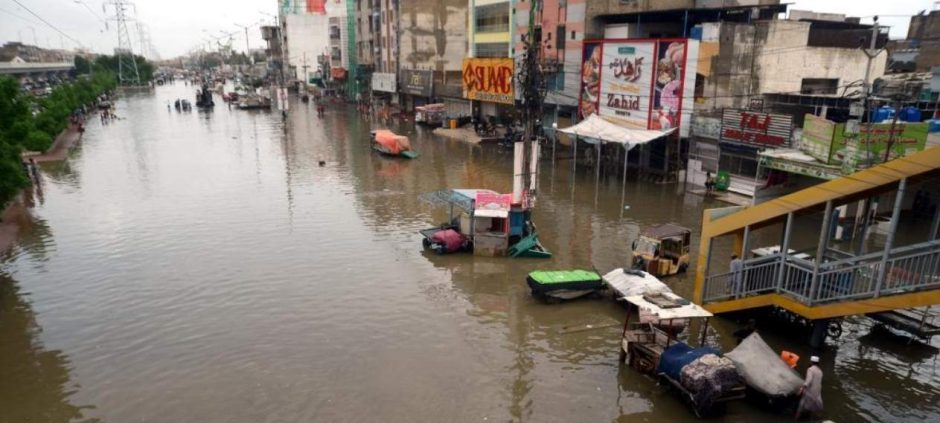
At least six people, including three children and a woman, lost their lives while 19 others were injured after heavy rainfall, strong winds, and flash floods triggered widespread destruction across several districts of Khyber Pakhtunkhwa (KP). The severe weather damaged homes and infrastructure, prompting authorities to monitor the situation closely as the monsoon season continues to intensify across Pakistan.
According to the Provincial Disaster Management Authority (PDMA), a total of 38 houses were affected during the recent spell of severe weather. Of these, 36 houses sustained partial damage, while two were completely destroyed. Rescue and relief efforts are underway in the affected areas, with local administrations assessing losses and extending assistance to impacted families. Authorities have urged residents living in vulnerable areas to remain cautious as more rain is expected in the coming days.
The rain and flood-related incidents were reported from several districts, including Khyber, Lower Dir, Upper Dir, Mardan, Shangla, Bajaur, and Lower Chitral. Heavy downpours and overflowing streams disrupted normal life in many areas, while strong winds caused additional damage to homes and public property. Officials continue to monitor water levels in rivers and streams to prevent further emergencies.
Meanwhile, the Pakistan Meteorological Department (PMD) has forecast the beginning of a fresh monsoon spell in Balochistan from July 1 to July 4. Rainfall is expected in the northern and northeastern parts of the province, including Zhob, Sherani, Kohlu, Naseerabad, Harnai, Sibbi, Barkhan, and Dera Bugti. The weather department has advised local authorities to remain alert due to the possibility of heavy rainfall and localized flooding.
The PMD has also predicted rainfall in several districts of Sindh, including Sukkur, Larkana, Dadu, Jacobabad, Shaheed Benazirabad, Kashmore, Shikarpur, Ghotki, Khairpur, Qambar Shahdadkot, and Naushahro Feroze on July 3 and July 4. Earlier, the department had announced that the nationwide monsoon spell would begin during the first week of July, supported by a westerly weather system entering the country’s upper regions and moisture-laden winds from the Arabian Sea and the Bay of Bengal.
Monsoon rains, which typically occur between June and September, play a vital role in replenishing Pakistan’s water resources and supporting agriculture. However, they also pose significant risks by triggering flash floods, landslides, and urban flooding, particularly in vulnerable and densely populated areas. Authorities have urged the public to avoid unnecessary travel during heavy rainfall, stay informed through official weather updates, and follow safety advisories to minimize the risk of weather-related incidents.
Also read: Karachi Braces for Rain as Monsoon Enters Pakistan