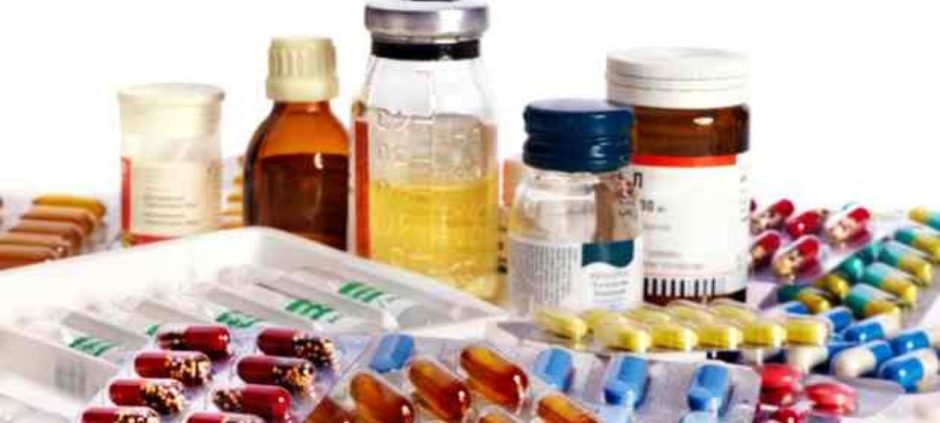
The federal government has approved prices for 52 additional essential medicines. The decision is expected to improve the availability of important treatments for patients across Pakistan.
The newly approved medicines include treatments for serious health conditions such as cancer, hypertension and diabetes. The list also includes medicines for respiratory illnesses and vaccines used against infections.
Dr Kaiser Waheed, former chairman of the Pakistan Pharmaceutical Manufacturers Association (PPMA), said a Cabinet Committee recently approved the prices.
The committee was formed by the prime minister to review drug pricing. Federal Minister for Finance and Revenue Muhammad Aurangzeb chaired the meeting.
The latest approval brings the total number of essential medicines with government-approved prices to 87 during the past four months.
In April 2026, authorities approved prices for another 35 essential medicines. The latest decision therefore expands the number of medicines covered by the recent pricing process.
Pharmaceutical manufacturers are now waiting for the government to issue the formal notification. Companies will be able to move forward once the approved prices are officially notified.
According to Dr Kaiser Waheed, implementation of the new prices will allow pharmaceutical companies to begin manufacturing and importing the medicines.
The process could take between one and two months after the formal notification is issued. Companies will need time to arrange production and imports before the medicines become widely available.
Industry representatives said the approved pricing could help address shortages of several important medicines. Some treatments have reportedly remained unavailable because their prices had not been determined for a long period.
Patients facing shortages have sometimes struggled to obtain required medicines. Some have also turned to expensive and unregulated smuggled medicines to continue their treatment.
Former PPMA chairman Tauqeerul Haq said patients would be the primary beneficiaries of the decision. He particularly highlighted people requiring advanced treatments for cancer, hypertension and diabetes.
Haq also said formal price approval could help pharmaceutical companies export the medicines. The decision could therefore support both local availability and potential exports.
The Cabinet Committee considered recommendations submitted by the Drug Pricing Committee. It also reviewed recommendations from the Policy Board of the Drug Regulatory Authority of Pakistan (DRAP).
Federal Minister for National Health Services Mustafa Kamal and Federal Minister Muhammad Raza Hayat Harraj also attended the meeting.
The government’s latest decision comes as authorities continue efforts to address medicine availability and pricing issues. Industry representatives have argued that clear pricing is necessary for companies to manufacture and import essential treatments.
The formal notification will now be an important next step. Once issued, pharmaceutical companies can begin taking measures to bring the approved medicines into the market.
For patients, the decision could improve access to several important therapies. The expected availability of additional medicines may also reduce reliance on expensive alternatives and unregulated supplies.
The government’s approval of prices for 52 more medicines marks another significant step in its recent drug pricing policy. The impact will become clearer as companies begin manufacturing and importing the approved medicines.