Imports of new and used cars in Pakistan increased sharply during the first two months of fiscal year 2026-27, as new automotive entrants expanded vehicle imports ahead of planned local assembly.
According to data from the Pakistan Bureau of Statistics (PBS), imports of motor cars, including both new and used vehicles, rose 36 percent to $81.4 million in July and August 2026, compared with $59 million during the same period a year earlier.
The increase comes despite government measures aimed at reducing used vehicle imports and encouraging greater localization in Pakistan’s automotive industry.
Auto parts manufacturers have raised concerns that continued imports of completely built-up vehicles could reduce demand for locally produced components and affect employment in the domestic vendor industry.
Car Imports Reach $81.4 Million
PBS data shows that Pakistan imported motor cars worth $81.4 million during July and August 2026.
This compares with imports worth approximately $59 million during the corresponding period of the previous fiscal year.
The 36 percent increase reflects stronger vehicle import activity at the beginning of FY2026-27.
The rise has occurred alongside the expansion of new automotive companies and brands entering the Pakistani market, many of which are currently importing vehicles before establishing or expanding local assembly operations.
New Entrants Expand Vehicle Imports
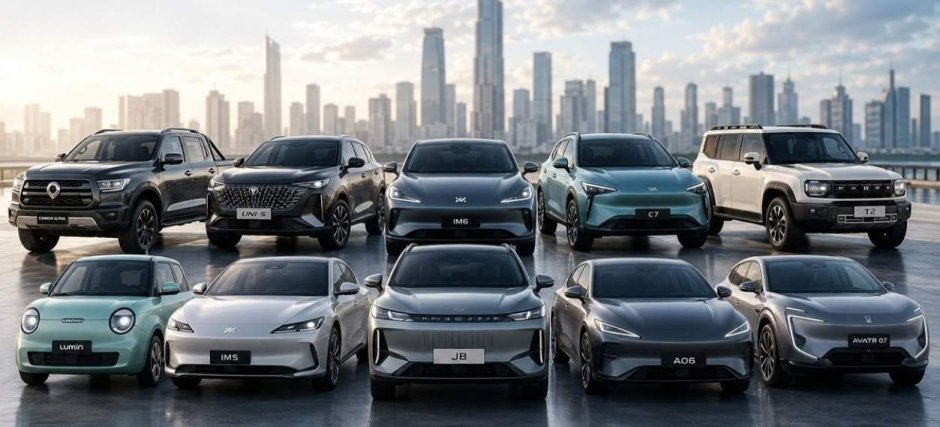
Several new entrants in Pakistan’s automotive sector have increased their imports of completely built-up vehicles as they establish their presence in the market.
The trend is particularly visible in the new energy vehicle segment, where Chinese companies have been expanding their operations and product offerings.
Former Pakistan Association of Automotive Parts and Accessories Manufacturers chairman Aamir Allawala said leading Chinese companies were importing between 1,500 and 2,000 new energy vehicles per month.
The increase in imported vehicles comes as manufacturers and new entrants work toward developing local assembly and production capabilities.
For the domestic auto industry, the transition from imported vehicles to locally assembled models remains an important issue because localization can increase demand for Pakistani-made components.
Used Car Imports Continue Despite Baggage Scheme Abolition
The government abolished the baggage scheme for used car imports in January, while also making pre-shipment inspections mandatory for vehicles imported under the gift and transfer-of-residence schemes.
The measures were introduced to tighten controls over used vehicle imports.
According to Indus Motor Company’s FY26 annual report, used vehicle imports declined to around 38,000 units in FY26, compared with approximately 42,000 units in FY25 after the baggage scheme was abolished.
However, industry representatives have continued to raise concerns over the volume of used vehicles entering the country through other available schemes.
Industry Raises Concerns Over Import Channels
Allawala said auto vendors believed used car dealers were continuing to manage imports through different schemes despite the changes to the baggage policy.
He cited official import figures showing that 48 used vehicles were imported in May, followed by 843 in June, 1,938 in July and 1,445 in August.
According to his account, the gift scheme accounted for most of the used vehicle imports recorded during June, July and August.
The figures have prompted concerns within the vendor industry about whether restrictions on one import channel are sufficiently reducing the overall flow of used vehicles into Pakistan.
Used Cars and Local Industry
Industry representatives argue that imports of completely built-up vehicles can affect the demand for components manufactured by local auto vendors.
Allawala said used and new vehicle imports reduce demand for locally produced auto parts and can consequently affect employment across the vendor industry.
The concern is particularly relevant for Pakistan’s automotive manufacturing ecosystem, which includes companies producing components for locally assembled vehicles.
When imported vehicles replace locally assembled products, local manufacturers and parts suppliers may have fewer opportunities to supply the domestic market.
Local Content in Assembled Vehicles
Allawala also highlighted the level of localization achieved by some vehicles assembled in Pakistan.
He said several locally assembled vehicles now have more than 50 percent local content by value.
According to his estimate, the locally sourced content averages around Rs1.5 million per vehicle.
The figure illustrates the potential economic contribution of domestic auto manufacturing through local parts production and related industrial activity.
Industry representatives therefore argue that maintaining demand for locally assembled vehicles can help sustain the network of companies supplying parts and services to vehicle manufacturers.
New Energy Vehicles Drive Import Activity
The growing presence of new energy vehicles is another factor influencing Pakistan’s automotive import landscape.
Chinese automotive companies have expanded their presence in the country, bringing new electric and other new energy vehicle models to Pakistani consumers.
The imported vehicles allow new brands to establish market demand before expanding their local production or assembly operations.
As these companies move toward localization, the automotive industry is expected to continue balancing imported vehicles with locally assembled models.
The pace of this transition could influence both vehicle prices and the demand for locally manufactured components.
Government Faces Localization Challenge
The latest import figures highlight the challenge of encouraging investment in local assembly while managing demand for imported vehicles.
New entrants may initially rely on completely built-up vehicle imports while establishing dealerships, supply chains and production plans.
At the same time, existing auto vendors depend on locally assembled vehicles for demand for their components.
Industry representatives have therefore called for policies that support job creation and the development of Pakistan’s industrial base alongside efforts to expand consumer choice in the automotive market.
Auto Sector Enters New Phase
The 36 percent increase in motor car imports during the first two months of FY2026-27 signals stronger activity in Pakistan’s automotive market.
The increase is being driven by a combination of new vehicle imports, expanding new energy vehicle brands and continued used vehicle imports through various schemes.
While the government has taken steps to restrict used vehicle imports and encourage localization, industry representatives continue to monitor the impact of imported vehicles on local manufacturing.
As new entrants prepare for local assembly, the coming months could provide a clearer picture of whether increased imports will transition into greater domestic production and localization.
For now, the automotive sector remains at a point where consumer demand, new market entrants, import policies and local manufacturing interests are increasingly interconnected.
Also read: Car prices are expected to rise if the government removes the import duty limit.