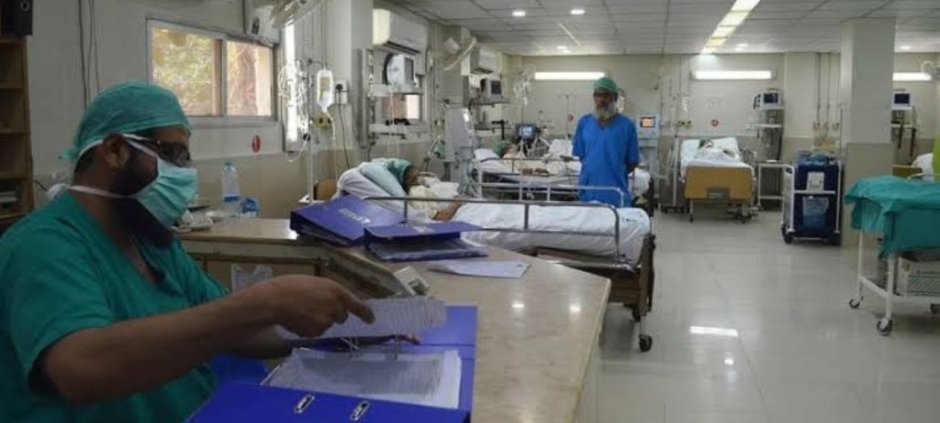
Khyber Pakhtunkhwa’s health directorate has outlined a plan to improve healthcare services in 12 districts, with a focus on free medical treatment, diagnostic facilities and stronger monitoring of outsourced hospitals.
The initiative aims to improve patient care in eight tribal districts and four other districts: Lakki Marwat, Bannu, Dera Ismail Khan and Tank. Authorities plan to strengthen supervision of hospitals operating under public-private partnerships to ensure residents receive the services they are entitled to.
Dr. Fazal Rahman, director of the vector diseases and malaria control programme, has been nominated as director health for these areas. However, formal appointment notifications have yet to be issued.
43 Hospitals to Be Covered Under Outsourcing Programme
Under the public-private partnership programme, 15 of the 19 health facilities already outsourced in the merged districts will continue operating based on their performance.
Another 28 hospitals are being brought under outsourcing arrangements. Once this process is completed, the total number of hospitals covered by the programme will reach 43.
The Health Foundation facilitates the management of government-owned hospitals through qualified private organisations. The aim is to improve service delivery, strengthen management and ensure patients receive better treatment.
Authorities intend to increase monitoring so that hospitals meet required standards and provide essential medical services to local communities.
Focus on Free Medicines and Diagnostic Services
Dr. Fazal Rahman said immediate priorities include improving outpatient departments, emergency services, hospital wards and diagnostic facilities.
The provision of free medicines will also receive attention, alongside maternal and child healthcare. Gynecological services are among the areas identified for improvement.
Stronger monitoring is intended to help ensure that patients can access essential treatment without unnecessary delays or additional expenses. Authorities also want to improve the availability of specialised care so residents do not have to travel to other cities for treatment.
Solar Power Planned for Hospitals
Unreliable electricity remains a major challenge for healthcare facilities, particularly in the merged districts. Power interruptions can affect laboratories, operating theatres and other essential hospital services.
To address this problem, authorities are considering solarisation of hospitals. The move aims to provide a more reliable electricity supply and help keep important medical equipment and services operational.
A stable power supply is especially important for diagnostic testing, emergency treatment and procedures that require continuous electricity.
Short-Term and Long-Term Plans
The health directorate has submitted proposals covering different timeframes. These include plans for immediate improvements over three months and six months, as well as a longer-term six-year strategy.
Dr. Fazal said promised funding would help ensure the availability of medical supplies and specialised treatment. The plan also includes involving local communities in efforts to improve hospital services.
Community participation could help authorities identify problems and understand the needs of patients in different areas.
The success of the initiative will depend on effective monitoring, timely funding and the ability of hospitals to provide free medicines, diagnostic tests and essential treatment consistently. Formal appointment notifications and further implementation details are still awaited.
Also read: PTI Long March Schedule for KP Announced