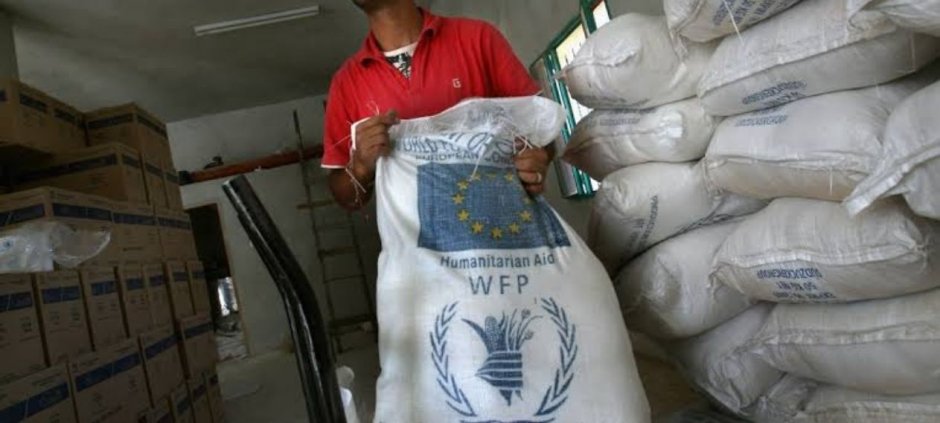
The United Nations World Food Programme (WFP) has announced cuts to its food assistance programme in Gaza because of a severe funding shortfall, warning that humanitarian needs remain critical across the war-affected Palestinian territory.
According to the agency, around 500,000 people will no longer receive its monthly assistance as funding constraints force it to reduce the scale of its operations. Following the changes, approximately 1.1 million Palestinians in Gaza will continue receiving food or cash assistance each month, although the support will be provided in reduced amounts.
The announcement comes as millions of Palestinians continue to face food insecurity, displacement and difficult living conditions despite a relative improvement in humanitarian access following a US-brokered ceasefire.
1.1 Million Palestinians to Continue Receiving Reduced Aid
The WFP said its assistance remains essential for families struggling to meet their basic needs. However, the agency has been forced to reduce the number of beneficiaries because available funding is insufficient to sustain its previous level of operations.
Before the latest cuts, the organisation had been reaching between 1.5 million and 1.8 million people in Gaza every month following the ceasefire, allowing it to expand food distribution and provide support to vulnerable households.
Shaun Hughes, the WFP’s country director, told AFP that the agency was now reducing assistance rather than expanding it because of financial limitations.
He stressed that the decision was not primarily caused by an inability to deliver food into Gaza but by a lack of funding to maintain the programme.
The reductions could place additional pressure on households that depend on humanitarian assistance to obtain food and other essential supplies.
Gaza’s Humanitarian Crisis Remains Severe
Despite some improvements in humanitarian conditions, the WFP has warned that the situation remains fragile.
According to the latest assessments cited by the agency, approximately 1.4 million people, representing around two-thirds of Gaza’s population, remain acutely food insecure and require humanitarian assistance to survive.
Hughes said civilians continued to face daily airstrikes, displacement and a lack of permanent housing. He described the humanitarian conditions as extremely difficult, highlighting the continuing challenges confronting families across the territory.
The agency also warned that the arrival of winter could increase humanitarian needs, particularly among people living in damaged buildings, temporary shelters and overcrowded accommodation.
Although the overall situation has improved to some extent, the WFP maintains that these developments do not justify withdrawing essential assistance from vulnerable communities.
Food Parcels and Cash Assistance to Be Reduced
The funding shortage is affecting both the number of people receiving assistance and the quantity of support provided to existing beneficiaries.
According to the WFP’s operational update, families receiving food assistance will now receive one food parcel instead of two. The amount of wheat flour included in the assistance package will also be reduced.
Cash assistance recipients will face a separate reduction in their monthly payments.
The agency said approximately 75,000 families receiving cash assistance would see their monthly support fall from 1,250 Israeli shekels to 750 shekels.
| Assistance Category | Previous Support | Reduced Support |
|---|---|---|
| Food parcels | Two parcels | One parcel |
| Wheat flour | Previous allocation | Smaller quantity |
| Monthly cash assistance | 1,250 shekels | 750 shekels |
| People continuing to receive food or cash assistance | Previous reach of 1.5–1.8 million monthly | Approximately 1.1 million monthly |
These changes mean that families who continue receiving assistance will have fewer resources available to cover their food requirements.
For households already struggling with limited income, displacement and high living costs, the reduction could make it more difficult to secure sufficient food throughout the month.
WFP Faces Major Funding Shortfall
The WFP relies on contributions from governments and private donors to finance its humanitarian programmes.
However, the agency has reported a significant decline in available resources, including reduced contributions to United Nations organisations and international assistance programmes by the United States under President Donald Trump.
The funding constraints have affected the agency’s ability to maintain its operations in the Palestinian territories.
According to the WFP, it needs approximately $450 million over the next six months to support its operations in Gaza and the occupied West Bank.
The agency said it had received only around half of the usual funding for the Palestinian territories during 2026, leaving a substantial gap between available resources and humanitarian requirements.
Without additional contributions, maintaining food distribution and cash assistance at previous levels will remain difficult.
Assistance Also Reduced in the West Bank
The funding crisis is not limited to Gaza. The WFP also reduced its assistance programme in the occupied West Bank in September.
The number of people receiving aid there was cut by half, from approximately 400,000 to 200,000.
The reductions highlight the wider impact of funding constraints on humanitarian operations serving vulnerable Palestinian communities.
The agency has warned that sustained financial support is necessary to prevent further reductions in assistance as food insecurity and economic pressures continue.
Hughes urged donors not to turn away from the humanitarian situation in Gaza, stressing that the needs of civilians remain significant.
Background: Famine Concerns and the Ceasefire
In August 2025, the United Nations-backed Integrated Food Security Phase Classification reported famine conditions in Gaza. Israel disputed the assessment and described the finding as false.
The famine classification was lifted in December 2025, two months after a US-brokered ceasefire was announced.
Following the ceasefire, the WFP expanded its humanitarian operations and increased the number of people receiving food and cash assistance.
However, Israel has continued carrying out strikes in Gaza, while restrictions on the entry of goods have remained a concern for humanitarian organisations.
According to the United Nations, some shipments have faced restrictions because authorities considered their contents to have potential military applications. The restrictions have reportedly affected certain medical supplies, including prosthetic limbs.
Israel has also criticised the United Nations over its handling of the Gaza conflict, accusing the organisation of bias and contributing to long-term Palestinian dependence on aid.
Winter Could Increase Humanitarian Needs
The WFP has warned that humanitarian requirements could rise as winter approaches, adding further urgency to efforts to secure funding.
Families without permanent homes face additional challenges in obtaining adequate food, shelter and essential supplies. Reduced food parcels and lower cash payments could make it harder for vulnerable households to cope with these conditions.
The agency’s latest announcement highlights the gap between the assistance required by Gaza’s population and the resources currently available to humanitarian organisations.
The WFP says additional funding is necessary to sustain its operations and respond to the needs of Palestinians in Gaza and the West Bank.
With approximately 1.1 million people set to continue receiving reduced monthly assistance, the agency is warning that financial support remains critical to preventing further deterioration in an already fragile humanitarian situation.
Also read: Israel Allows Limited Food Aid as Gaza Faces Escalating Crisis