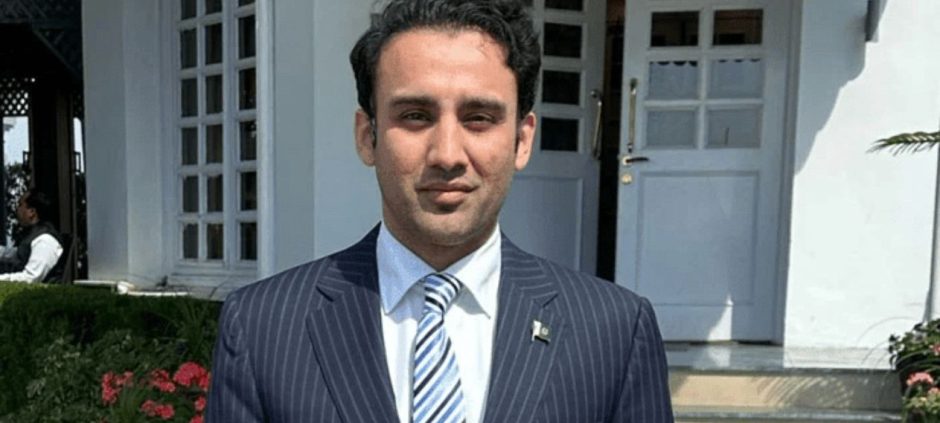
Turn on Pakistani news, scroll through X, or follow tech debates, and one name keeps resurfacing: Bilal Bin Saqib.
His resignation as Special Assistant to the Prime Minister on blockchain and crypto didn’t just spark headlines. It triggered debates about regulation, power, and whether Pakistan is truly ready for digital assets.
For some, Bilal Bin Saqib symbolized progress. For others, he represented risk. What made the story more intriguing was how it blended serious policy with public curiosity, especially because of the Bilal and Momin Saqib relationship, linking governance with pop culture.
This blog explores the full picture. From his family background and education to crypto policy, resignation, and future influence, here’s why Saqib remains central to Pakistan’s digital finance conversation.
Early Life And Bilal Bin Saqib Family Background
Bilal Bin Saqib was born in Lahore and raised in an environment shaped by education and civic responsibility.
The Saqib family has largely stayed out of public spotlight, which is rare for someone with such a visible policy role. There is limited verified public information about Bilal Bin Saqib parents, but those close to his journey often highlight how his upbringing encouraged global exposure and service-driven thinking.
Searches about Bilal Bin Saqib wife and father in law are common, yet there is no confirmed public record on either. Unlike many public figures, he has kept his private life intentionally separate from professional visibility.
One family member, however, is very well known.
His brother, Momin Saqib, is a popular Pakistani actor and television personality. The contrast between Bilal’s policy-driven career and his brother Momin’s entertainment fame often draws public interest and media comparisons.
Education And Early Career That Shaped His Direction
Bilal Bin Saqib’s academic path explains much of his approach to governance.
His formal education includes studies at Queen Mary University of London and a Master’s degree from the London School of Economics, where his focus on social innovation became central to his worldview. This phase of his education shaped his belief that systems, not slogans, create long-term change.
During the COVID-19 crisis, he launched initiatives like One Million Meals in the UK and worked closely with welfare projects in Pakistan through the Tayaba Organisation. These efforts placed him at the intersection of philanthropy, policy, and innovation.
Rather than entering crypto through speculation, he approached it as a tool for transparency, inclusion, and reform, a perspective that later defined his role in Pakistan’s crypto policy framework.
Bilal Bin Saqib’s Rise In Pakistan’s Crypto Policy Space
Pakistan’s decision to take crypto seriously needed a visible policy architect, and Bilal Bin Saqib stepped into that space.
As CEO of the Pakistan Crypto Council, he was tasked with shaping a national roadmap for blockchain and digital assets. His appointment as Special Assistant to the Prime Minister on crypto soon followed, giving him minister-level authority.
He also became chairman of the Pakistan Virtual Assets Regulatory Authority, placing him at the center of both strategy and regulation.
Online discussions often speculate about Bilal Bin Saqib net worth, but his influence came less from wealth and more from access, credibility, and international alignment. His engagement with global crypto leaders signaled that Pakistan wanted a seat at the table, not the sidelines.
Pakistan’s Crypto Landscape And Why It Matters
Before judging Bilal Bin Saqib’s decisions, it’s important to understand Pakistan’s crypto reality.
Crypto adoption in Pakistan didn’t begin with regulation. It grew organically among freelancers, overseas remitters, and young investors navigating limited banking access. Much of the public understanding of digital assets evolved during Bilal’s advocacy phase, when policy discussions became mainstream.
What Cryptocurrency Means For Pakistan
Cryptocurrency allows value to move digitally without traditional intermediaries. For Pakistan, this means faster remittances, alternative investment channels, and financial access for underserved populations.
This potential is why crypto debates quickly moved beyond tech circles into economic planning.
Why Regulation Became Urgent
Unregulated growth led to scams, confusion, and tax ambiguity. Policymakers faced pressure to either ban crypto outright or bring it under oversight.
Bilal consistently argued for structured regulation rather than suppression.
Pakistan’s Regulatory Direction
Instead of blanket approval, Pakistan issued controlled NOCs to global exchanges. This approach, explained in detail in coverage of Pakistan granting NOCs to Binance and HTX for crypto initiatives, framed regulation as supervision, not endorsement.
The move drew mixed reactions, but it marked a clear policy shift.
Why Bilal Bin Saqib Resigned As SAPM
The turning point came with Bilal Bin Saqib’s resignation as SAPM.
Under Pakistan’s Rules of Business, holding both an executive advisory role and a regulatory chairmanship created a conflict. When the issue surfaced, Saqib resigned, stepping down from the SAPM role while remaining chairman of PVARA.
Rumors suggested political fallout, but facts pointed to procedural compliance.
Public reaction was intense. Social media mixed policy critique with celebrity curiosity, partly fueled by the Bilal Bin Saqib and Momin Saqib relationship, which often pulls governance stories into entertainment timelines.
Controversies Public Debate And Mixed Reactions
Crypto policy was never going to be smooth.
Critics questioned environmental impact, speculative risk, and whether regulation favored elites. Supporters argued that ignoring crypto would only push activity underground.
Discussions around Bilal Bin Saqib net worth surfaced repeatedly, often distracting from the actual regulatory framework being developed. Meanwhile, defenders highlighted his consistent stance on transparency and rule-based adoption.
Despite criticism, his measured communication style kept the debate policy-focused rather than personal.
Bilal Bin Saqib Net Worth And Personal Life
Questions about Bilal Bin Saqib net worth dominate search trends, yet no official figures exist. Online estimates remain speculative and should be treated cautiously.
Similarly, there is no verified public information about his wife or father in law. His public identity is built around work, not personal exposure.
This restraint is unusual in Pakistan’s political-media culture and has helped keep discussions centered on policy rather than personality.
Momin Saqib And The Brother Everyone Knows
While Bilal navigates regulatory frameworks, Bilal Bin Saqib brother Momin Saqib commands attention through television, acting, and viral moments.
Their different career paths often intrigue audiences. The reason is that their relationship represents two forms of influence: one shaping policy, the other shaping pop culture.
Occasional collaborations on social causes add a human layer to an otherwise technical narrative.
What Comes Next For Bilal Bin Saqib
Pakistan’s crypto journey is far from complete.
Future plans include licensing exchanges, integrating blockchain with traditional finance, and using digital systems for governance. Even without the SAPM title, Bilal’s influence remains visible.
His continued involvement in policy discussions, including recent reviews of crypto frameworks with national leadership highlighted in Bilal Bin Saqib reviewing crypto policies with Bilawal Bhutto, shows that his role has evolved, not ended.
Where The Story Stands Now
Bilal Bin Saqib remains a defining figure in Pakistan’s evolving digital policy space.
Whether seen as a reformer or a transitional leader, his role has already shaped how Pakistan talks about crypto, regulation, and innovation. As the country experiments with new financial systems, Bilal Bin Saqib continues to influence the direction of that journey.
Stay connected with our blog for more insight into Pakistan’s power shifts, policy debates, and the personalities behind them.
Frequently Asked Questions
Q. What Role Did Bilal Bin Saqib Play In Shaping Pakistan’s Crypto Regulations?
Bilal Bin Saqib played a key advisory role in moving Pakistan from an informal crypto environment toward a regulated framework. His work focused on policy design, regulatory institutions, and aligning Pakistan’s approach with global standards rather than promoting speculative trading.
Q. Is Cryptocurrency Legal In Pakistan Right Now?
Cryptocurrency is not illegal in Pakistan, but it is regulated under a developing framework. Trading and operations are allowed under supervision, licensing processes, and regulatory oversight, especially through bodies like the Pakistan Virtual Assets Regulatory Authority.
Q. How Does Pakistan Rank Globally In Crypto Adoption?
Pakistan consistently ranks among the top countries globally for crypto adoption, driven by a young population, freelancers, remittances, and limited access to traditional banking services.
Q. What Impact Did Binance And Other Global Exchanges Have On Pakistan’s Crypto Policy?
The interest of major global exchanges highlighted Pakistan’s market potential. Their engagement encouraged policymakers to design structured entry mechanisms instead of ignoring or blocking the sector altogether.
Q. Is Bilal Bin Saqib Still Involved In Crypto Policy After His Resignation?
Yes. Although he resigned from the SAPM position, Bilal Bin Saqib remains involved in regulatory and advisory discussions related to Pakistan’s crypto ecosystem.