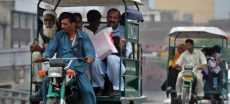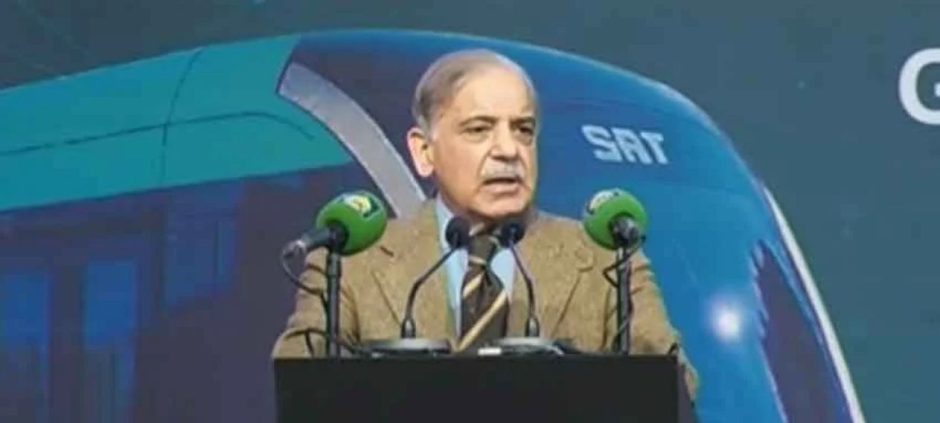
Prime Minister (PM) Shehbaz Sharif on Saturday laid the foundation stone of the Mass Transit Bus Service in Gujranwala. He described the project as transformative, aimed at improving mobility for students, workers, patients, and city residents.
Addressing attendees, the PM praised the Punjab government’s efforts and called the initiative a “heartfelt gift” from Chief Minister Maryam Nawaz. He said the project would benefit Gujranwala, Pakistan’s fifth-largest city with nearly five million residents, by connecting key areas and improving daily travel.
Key Features of the Mass Transit Project
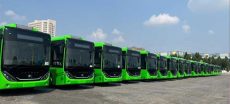
The Gujranwala Metro Corridor, named the Yellow Line, spans 31.2 km from Aimanabad to Gakhar. The project includes:
- A signal-free corridor with four underpasses
- Rs63 billion estimated cost, to be completed within 12 months
- 25 modern stations, including 24 underground
- 14MW electricity usage for electric buses
- Two depots covering 50 kanals
- Pakistan’s first trackless train (SRT) system
- Wheelchair-accessible buses with Wi-Fi, charging ports, and CCTV for women
- 70 feeder buses connecting all city areas
Officials said the system would serve around 50,000 passengers daily, citing high adoption rates in similar projects like Rawalpindi.
PM Highlights Punjab’s Development and Legacy
The PM recalled that Punjab’s development journey started under Nawaz Sharif in 1985. He credited the former prime minister for building roads, hospitals, supporting farmers, and achieving Pakistan’s nuclear capability.
PM Shehbaz also praised Maryam Nawaz’s initiatives, including Suthra Punjab, housing projects, and environmental improvements. He stated these efforts demonstrate the government’s commitment to progress and public welfare.
In other related news also read PM Shehbaz Highlights ‘Revolutionary’ National Tariff Policy To Boost Competitiveness
Future Plans and Public Impact
The PM emphasized that the Gujranwala Mass Transit project would improve urban mobility, ease congestion, and serve as a model for other provinces. He assured citizens that similar development-focused projects would continue across Punjab.