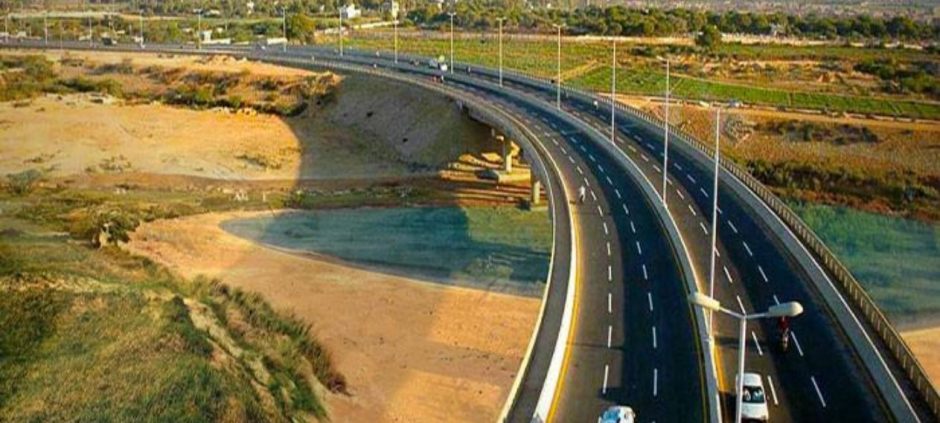
Traffic jams are a big problem for everyone in Karachi. Getting from one side of the city to the other takes hours. The government is working on a new road to fix this. This new road is the Malir Expressway. It promises to change how people travel in the city. This guide covers everything about the project. We will look at the route, the benefits, and the current progress.
What is the Malir Expressway?
The Malir Expressway is a major road project in Karachi. It is a high-speed toll road. The government designed it to connect different parts of the city. It starts near the KPT Interchange in Defence Housing Authority (DHA). It ends at the Karachi Hyderabad Motorway (M-9) near Kathore.
This road will run along the Malir River. It is a 39-kilometer-long corridor. The project aims to provide a faster route for heavy traffic and daily commuters. It will serve thousands of vehicles every day. This is a public-private partnership project. This means the government and private companies are working together on it.
Why Karachi Needs This Project
Karachi is the biggest city in Pakistan. It has a huge population. The roads are always full of cars, buses, and trucks. The current roads cannot handle this much traffic. People spend a lot of time stuck in jams. This wastes time and fuel. It also causes pollution.
The Malir Expressway is a solution to these problems. It will offer a new route for people going out of the city. It will reduce the load on existing roads like Sharae Faisal and Korangi Road. This project is vital for the city’s growth. It will help people reach their destinations faster. It will also make it easier to transport goods.
Key Features of the Expressway
This project has many modern features. It is not just a simple road. Here are some key details:
- Route and Length
The total length is about 39 kilometers. It starts from the urban center and goes to the outskirts. This direct link is very important. It cuts down travel time significantly.
- Lanes and Width
It is a 6 lane highway. There are three lanes on each side. This ensures smooth traffic flow. There are also service roads on both sides. These service roads help local traffic.
- Interchanges
The project includes several interchanges. These are points where you can enter or exit the expressway. Major interchanges connect to busy areas. This makes the road accessible for many people. You can enter from Korangi, Quaidabad, and other key spots.
- Speed Limit
Since it is an expressway, the speed limit will be higher than on normal city roads. This allows for quick travel. However, drivers must follow safety rules.
Impact on Real Estate
The Malir Expressway will have a big effect on property prices. Areas near the route will become more valuable. People like to live near good roads. It makes commuting easy.
Housing societies like DHA City and Bahria Town will benefit the most. These areas are far from the city center. The expressway connects them directly to the main city. Residents can travel to work or school much faster. This makes these areas more attractive for buyers. Investors are already looking at land near the route. They expect prices to go up once the road opens.
Environmental Concerns and Solutions
Some people worry about the environment. Building a big road can affect nature. The route goes along the Malir River. This is a natural waterway. People are concerned about trees and farmland.
The government says they are taking care of this. They plan to plant new trees. They also promise to protect the river flow. It is important to balance development with nature. The builders must ensure that the project does not harm the local ecosystem. Proper drainage systems are part of the plan to handle rainwater.
Economic Benefits for Karachi
Good roads help the economy. The Malir Expressway will boost business in Karachi. Faster transport means goods reach markets quickly. This saves money for businesses. It also reduces the cost of fuel.
The construction phase also creates jobs. Many engineers, laborers, and drivers are working on the project. This provides income for many families. Once the road is open, it will encourage new businesses to open near the route. This creates even more economic activity.
Current Progress and Timeline
People want to know when they can use the road. Construction is happening in phases. Some parts of the road are nearly ready. You can see heavy machinery working on the site.
The government has set deadlines for completion. They want to finish it as soon as possible. However, big projects often face delays. Weather and technical issues can slow things down. The authorities are pushing the contractors to work fast. They know the city needs this road urgently.
Expected Toll Rates
This is a toll road. You will have to pay a fee to use it. The exact rates are not final yet. However, they will likely depend on the type of vehicle. Cars will pay less than trucks and buses.
The toll money helps maintain the road. It ensures the road stays in good condition. The private partners also recover their investment through these tolls. For many people, paying a small fee is better than sitting in traffic for hours. The time saved is worth the cost.
Safety Measures on the Road
Safety is a top priority. The design includes safety barriers. There will be proper lighting for night driving. Emergency services will also have access.
The builders are using high-quality materials. This ensures the road is strong and durable. Signboards will guide drivers clearly. Speed cameras might be installed to stop speeding. These measures aim to prevent accidents and keep travelers safe.
Comparison with Other Routes
Right now, people use the National Highway or the Super Highway. These roads are very busy. They pass through busy areas with markets and traffic signals.
The Malir Expressway is different. It is a signal-free corridor. You do not have to stop at red lights. It bypasses the congested areas. This is the biggest advantage. It offers a straight and clear path. A journey that takes 90 minutes might take only 30 minutes on the new road. This is a huge saving of time.
For a broader view of Karachi’s development efforts, check out how Sindh has allocated Rs. 2.89 billion for key development projects.