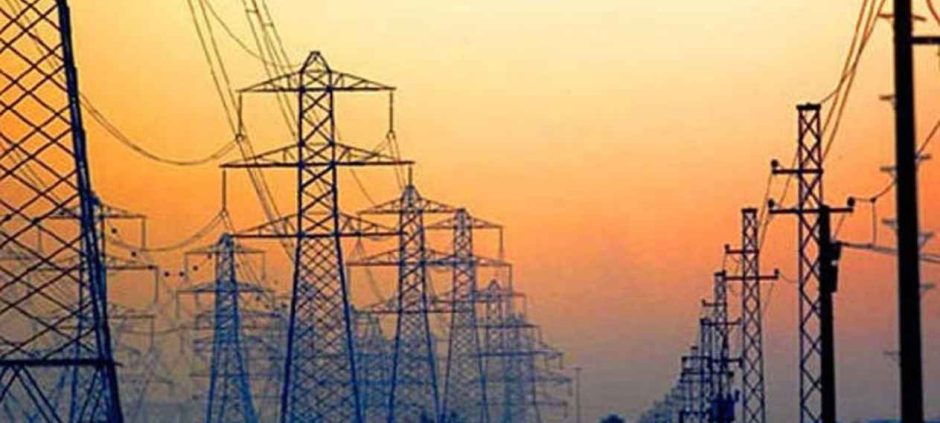
Pakistan’s Power Generation increased 5.1% year over year in August 2026. Total generation reached 14,943 MW during the month.
The latest figures come from an analysis by Arif Habib Limited (AHL). The report also compared August output with historical generation levels.
Power Generation was 1.4% above the seven-year average for August. However, it remained below the record 16,176 MW recorded in August 2021.
The increase reflected a recovery in electricity demand across different sectors. Lower electricity tariffs helped support consumption during the month.
Industrial consumers also shifted more usage toward the national electricity grid. Industrial and agricultural demand also increased during the period.
Improved economic activity provided another boost to electricity consumption. Large-scale manufacturing recorded 3.0% year-over-year growth in July 2026.
According to AHL, generation exceeded the reference level set by NEPRA. This could support future capacity utilization agreements for power producers.
Despite higher output, generation costs remained under pressure. Adjusted fuel costs reached Rs. 8.83 per kWh in August.
The reference fuel cost was Rs. 7.10 per kWh during the month. The difference was linked mainly to higher RLNG and furnace oil prices.
Distribution companies have requested a fuel cost adjustment based on these costs. DISCOs sought an FCA of Rs. 1.73 per kWh for August.
Furnace oil generation also increased sharply during the month. Its output climbed 49% month over month to 321 GWh.
The rise came amid disruptions in RLNG supplies. Higher electricity demand during the summer also supported furnace oil-based generation.
AHL expects stronger utilization for several power companies. These include NPL, NCPL, and NEL, according to the report.
Higher utilization could support earnings for companies using hybrid take-and-pay arrangements. Such arrangements involve payments linked to agreed capacity and usage terms.
Meanwhile, LNG-based electricity generation recorded a significant decline in August. Output fell 51.7% year over year to 1,052 GWh.
The decline followed a sharp reduction in LNG imports during the month. Geopolitical disruptions affected the availability of scheduled LNG cargoes.
Seven long-term cargoes were initially scheduled for August. However, only one cargo was imported by PSO under its long-term contract.
The cargo was priced at 13.37% under the relevant long-term arrangement. International oil prices also pushed up the cost of imported cargo.
The AHL report said RLNG fuel costs reached Rs. 45.93 per kWh. This represented the second-highest level recorded.
Higher RLNG costs added pressure to overall electricity generation expenses. They also contributed to the FCA requested by distribution companies.
The August data shows mixed trends across Pakistan’s power sector. Power Generation increased, while fuel costs remained elevated.
The changing fuel mix also affected generation costs during the month. Lower LNG availability increased reliance on more expensive furnace oil generation.
In other related news also read IESCO Announces Power Suspension Schedule for Saturday
The latest figures highlight the impact of demand, fuel prices, and supply conditions. These factors continue to influence Pakistan’s electricity generation and costs.