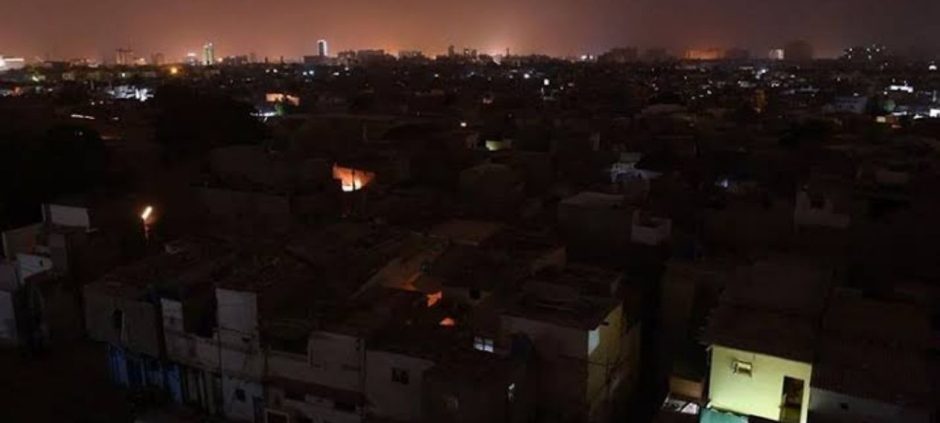
Pakistanis may face more nighttime power cuts after delayed RLNG cargoes created a reported 3,600MW electricity shortfall. Consumers are already experiencing several hours of load shedding during peak demand periods.
The Power Division said the shortage emerged after RLNG supplies became unavailable. Several scheduled cargoes also failed to arrive on time, putting additional pressure on the national electricity system.
The shortage has forced authorities to manage electricity supply during nighttime peak hours. Demand typically rises during this period as households and businesses increase their electricity consumption.
According to an official statement, consumers faced up to three hours of temporary load management at night. However, reports indicate that some consumers have already experienced around five to six hours of load shedding during peak periods.
The electricity shortfall was further aggravated by a 195MW decline in generation from Mangla. The reduction added pressure to an already strained power system.
With RLNG supplies disrupted, authorities turned to furnace-oil power plants during peak hours. The move was aimed at increasing generation and helping meet nighttime electricity demand.
The Power Division said temporary load management would be reduced once the delayed RLNG cargoes arrive. The availability of the imported gas is therefore expected to play an important role in easing the current pressure.
Authorities have also urged consumers to reduce or moderate electricity consumption during nighttime peak hours. Officials said lower demand could help ease pressure on the power system while fuel supplies remain disrupted.
The Power Division maintained that no load management is being carried out during daytime hours because of the RLNG shortage. However, some areas continue to experience scheduled outages because of high distribution losses.
These areas will continue receiving electricity according to their existing load management schedules. The Power Division apologised to consumers for the temporary nighttime outages caused by the RLNG shortage.
The latest disruption has highlighted Pakistan’s dependence on multiple energy sources to maintain electricity generation. Any interruption in fuel supplies can create additional pressure when demand is high.
Pakistan’s electricity generation comes from a combination of hydropower, coal, nuclear energy, gas and furnace oil. Hydropower accounts for around 24% of generation, while coal contributes about 31%.
Nuclear power contributes approximately 22% of electricity generation, while gas accounts for around 17%. Furnace oil contributes about 1% of total generation.
The current situation demonstrates the vulnerability of the electricity system to disruptions in fuel supplies. Delays in imported energy cargoes can become particularly challenging during periods of high electricity demand.
The latest power crunch comes amid continuing disruption to energy supplies around the Strait of Hormuz. Rising tensions in the Middle East have affected the movement of oil and gas shipments through the important regional waterway.
Several energy cargoes destined for Pakistan have reportedly faced delays. The disruption has added uncertainty to the country’s fuel supply situation and increased pressure on electricity generation.
The impact of delayed RLNG supplies is particularly important because gas-fired power plants play a significant role in Pakistan’s electricity system. Reduced gas availability can force authorities to rely on more expensive or less readily available alternatives.
The decision to use furnace-oil plants during peak hours reflects efforts to prevent a larger electricity shortfall. However, authorities have warned that temporary load management may continue until the delayed cargoes arrive.
Consumers are now being advised to limit unnecessary electricity use during peak nighttime hours. Reducing demand could help authorities manage the available supply more effectively.
For households already facing frequent outages, the latest development could create additional difficulties. Nighttime load shedding can disrupt domestic routines and increase discomfort, particularly during periods of hot weather.
The government is expected to monitor the situation as it waits for delayed RLNG shipments. The arrival of the cargoes could determine how quickly temporary nighttime load management is reduced.
Until then, consumers may continue facing pressure on electricity supplies during peak hours. Authorities have assured consumers that the temporary load management linked to the RLNG shortage will be scaled back once fuel availability improves.
Also read: SSGC Releases Gas Loadshedding Schedule for Ramadan