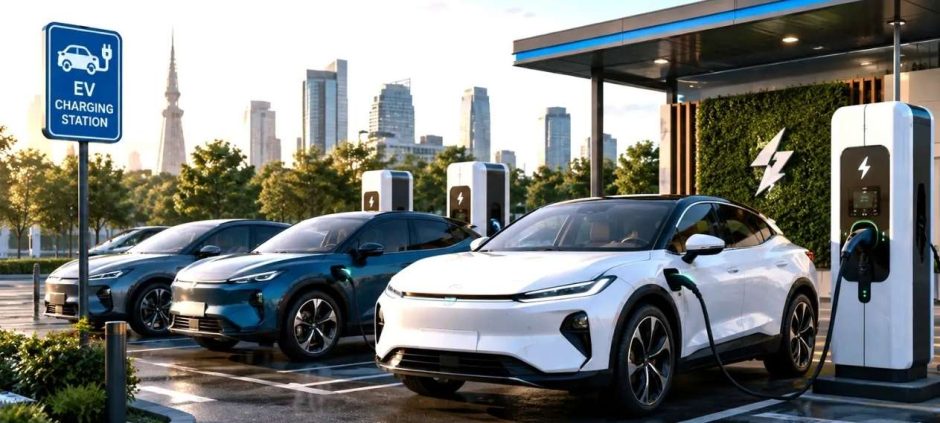
The Government has postponed the proposed Auto Policy 2026-31 for electric vehicles (EVs) and hybrid vehicles following strong concerns raised by Pakistan’s local automobile industry.
The policy was prepared after consultations with different stakeholders. Its main goal was to reduce the country’s dependence on imported petroleum products by encouraging the use of cleaner vehicles. However, local automakers expressed reservations about several proposed measures, leading the Government to suspend the plan and prepare a revised version.
The delay has created uncertainty in Pakistan’s automobile sector. The previous Auto Industry Development and Export Policy 2021-26 expired on June 30, 2026. Since no replacement policy has been introduced, the market is currently operating without a new long-term framework.
The expiry of the previous policy also ended tax concessions that were available for hybrid vehicles. Under the new federal budget, the reduced sales tax rate was automatically withdrawn.
As a result, the sales tax on hybrid electric vehicles (HEVs) and plug-in hybrid electric vehicles (PHEVs) increased from 8.5 percent to 25 percent starting on July 1, 2026. The higher tax has significantly increased the prices of hybrid vehicles across the country.
The increase in prices has affected both consumers and manufacturers. Some automobile companies have delayed vehicle deliveries because of uncertainty surrounding the future policy. Buyers are also waiting for further announcements before making purchasing decisions.
Following the postponement, Prime Minister Shehbaz Sharif assigned Deputy Prime Minister Ishaq Dar the responsibility of preparing a revised auto policy. The new framework is expected to address the concerns of both the industry and the Government while supporting the country’s long-term transportation goals.
Industry representatives have requested temporary tax relief for hybrid vehicles until Pakistan develops a stronger electric vehicle charging network. They also believe that more support is needed to strengthen local manufacturing before major policy changes are introduced.
Car dealers have welcomed the idea of expanding electric vehicle adoption but stressed that the transition should take place gradually. They recommended focusing on localisation, technology transfer, and the protection of existing automotive investments.
According to industry stakeholders, a phased approach would allow manufacturers to adjust production while protecting jobs and encouraging future investment. They said sudden policy changes could create uncertainty in the market and reduce investor confidence.
Representatives also warned that offering large incentives for electric vehicles without a clear transition strategy could increase imports of fully built EV units. They believe this could affect local production, reduce industrial investment, and put employment in the automotive sector at risk.
The Government is now expected to review industry feedback before finalising the revised Auto Policy 2026-31. The updated policy is likely to balance environmental goals with the needs of local manufacturers, consumers, and investors.
In other related news also read Punjab Revises Labor Rates for Government Development Projects
Until the revised framework is announced, uncertainty is expected to continue in Pakistan’s automobile market. Industry experts hope the upcoming policy will provide long-term stability while supporting cleaner transportation and sustainable growth.