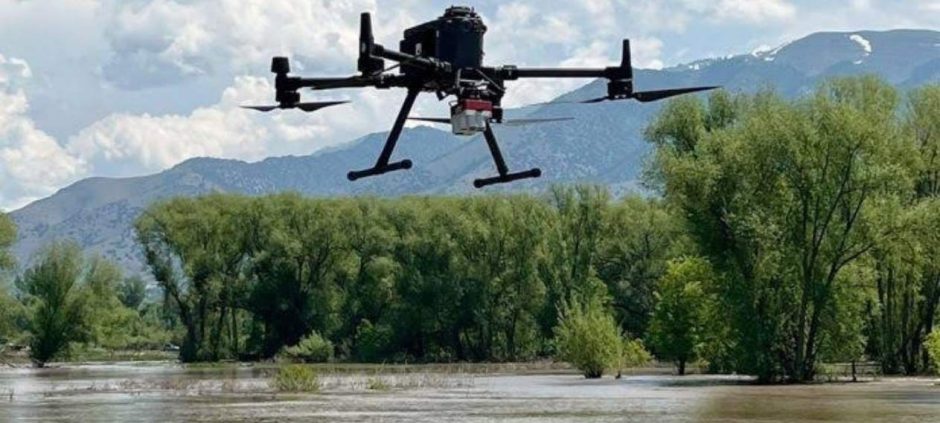
The Punjab government has introduced drone-based monitoring of barrages, rivers, and headworks for the first time as part of a major initiative to strengthen flood preparedness during the ongoing monsoon season. The new surveillance system aims to provide early flood warnings, improve emergency response, and help authorities better protect lives and property across the province.
Chief Minister Maryam Nawaz announced on Thursday that Safe City drones are now being used to monitor water levels at key locations and detect incoming flood waves before they pose a serious threat. Officials believe the technology will significantly improve the province’s ability to respond to changing weather conditions and reduce the impact of flooding in vulnerable areas.
According to the chief minister, the drone monitoring system will provide real-time information to disaster management authorities, allowing them to identify rising water levels quickly and issue timely alerts to communities at risk. The initiative forms part of Punjab’s broader strategy to strengthen disaster preparedness and improve coordination among government departments during the monsoon season.
The announcement came during a high-level review meeting on the province’s monsoon preparedness, where Maryam Nawaz directed all relevant departments to remain on high alert and deploy maximum human and mechanical resources to deal with potential emergencies. She stressed that every institution must work together to minimize the risks associated with heavy rainfall, urban flooding, and hill torrents.
The chief minister instructed officials to ensure that flood response equipment, emergency personnel, and rescue teams remain fully operational throughout the monsoon period. She emphasized that timely action and effective coordination would be essential in protecting citizens from weather-related disasters.
A major point of concern raised during the meeting was the increasing number of electrocution incidents during rainfall. Maryam Nawaz directed Lahore Electric Supply Company (Lesco) and other power distribution companies to immediately address dangerous electrical infrastructure, particularly hanging and exposed wires on utility poles that pose serious risks to public safety.
She ordered electricity distribution companies to inspect vulnerable areas, repair damaged infrastructure, and take preventive measures to avoid further accidents during periods of heavy rain. The chief minister said public safety must remain the government’s highest priority during the monsoon season.
Authorities have also been instructed to strictly enforce the ban on swimming in rivers, dams, canals, and barrages. Every year, several people lose their lives after entering swollen waterways during the rainy season, prompting the government to strengthen enforcement and public awareness efforts.
In addition, the administration has been directed to improve safety at construction sites, inspect old and unsafe buildings, clear blocked drains and sewerage systems, and ensure that open manholes and roadside pits are properly covered or secured. These measures are intended to reduce accidents caused by waterlogging and damaged infrastructure during heavy rainfall.
Maryam Nawaz also emphasized the importance of public awareness campaigns. She instructed authorities to issue timely weather advisories and flood alerts through mosques, television channels, radio stations, and social media platforms so that residents receive accurate information before emergencies develop.
District flood control rooms have been ordered to operate around the clock, while officials have also been tasked with continuously monitoring underpasses and other flood-prone locations to prevent dangerous water accumulation and ensure traffic can continue safely whenever possible.
Given the heightened risk of urban flooding and hill torrents, the chief minister directed authorities to make advance evacuation plans for vulnerable areas in Multan and Dera Ghazi Khan. Residents living near rivers and flood-prone settlements will receive early warnings if water levels begin to rise.
She also ordered precautionary evacuations in landslide-prone areas of Murree, where heavy monsoon rains often increase the risk of slope failures. Local administrations have been instructed to inform tourists about weather conditions and encourage them to avoid unnecessary travel to hazardous locations during periods of intense rainfall.
The chief minister further directed the Provincial Disaster Management Authority (PDMA), Water and Sanitation Agency (WASA), Rescue 1122, the Local Government Department, and the National Disaster Management Authority (NDMA) to maintain close coordination throughout the monsoon season.
Officials say the introduction of drone technology represents a significant step forward in Punjab’s disaster management capabilities. By combining aerial surveillance, real-time monitoring, and coordinated emergency planning, the provincial government hopes to improve early warning systems, reduce flood-related damage, and ensure faster emergency responses across Punjab during the ongoing monsoon season.
Also read: Lahore Deploys AI Drones to Improve Traffic Management