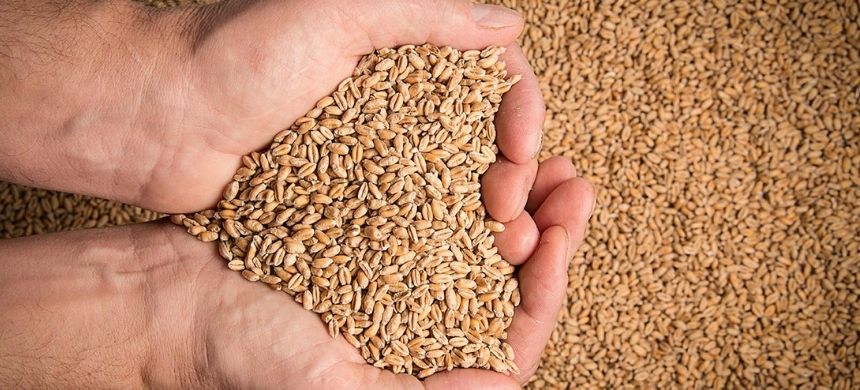
The federal government has approved the import of one million tonnes of wheat after extensive discussions, marking its first official recognition of a gap between wheat supply and demand in the country.
Federal Minister for National Food Security and Research Rana Tanveer Hussain announced the decision on Thursday, saying the import plan was made in response to requests from provincial governments. He said the move is expected to help stabilize wheat and flour prices across Pakistan.
The decision comes as wheat and flour prices continue to rise nationwide. According to official figures for the first week of July 2026, the average wheat price increased to Rs4,611 per 40kg, compared with Rs4,516 a week earlier. Provincial prices stood at Rs4,423 in Punjab, Rs4,625 in Sindh, Rs5,100 in Khyber Pakhtunkhwa, and Rs4,800 in Balochistan.
Flour prices have also climbed. The average price reached Rs1,288 per 10kg, up from Rs1,268 in the previous week. Punjab recorded the lowest average price at Rs1,224, while Balochistan reported the highest at Rs1,378 per 10kg.
Concerns about a wheat shortage first emerged in April 2026, when initial crop estimates projected a deficit of around 1.2 million tonnes for the 2026–27 marketing year. However, industry groups believe the actual shortfall could be much larger.
The Progressive Flour Millers Group (PFMG) estimates the wheat shortage at 2.5 million tonnes this season. According to PFMG President Majid Abdullah, Punjab has produced about 19.5 million tonnes of wheat, but available supplies are insufficient to meet demand over the coming months.
Official estimates also suggest Pakistan’s total wheat demand for 2026–27 is around 34.33 million tonnes, while total available supply is expected to reach only 31.78 million tonnes, leaving a deficit of approximately 2.55 million tonnes.
With the new wheat season beginning under supply pressure, experts say timely imports and effective policy measures will be essential to prevent further increases in wheat and flour prices across the country.
Read more: Hazara division faces critical wheat flour shortage