Just weeks after lifting emergency fuel conservation measures, Pakistan is once again considering austerity steps as rising tensions in the Gulf push global oil prices higher and increase pressure on the country’s foreign exchange reserves.
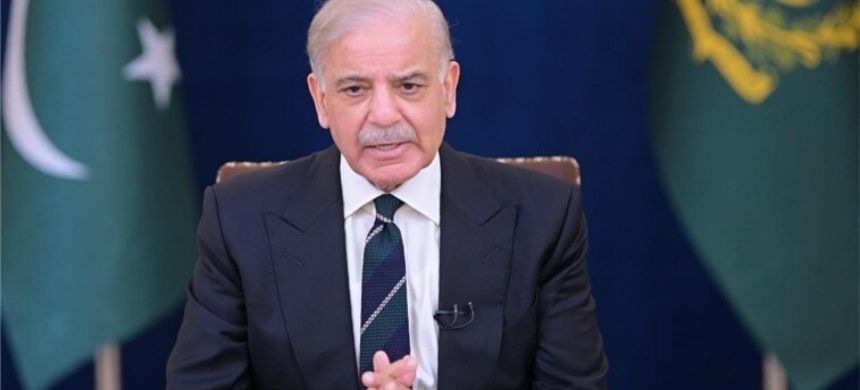
According to officials, the government is reviewing several fuel-saving proposals, including the possible revival of a four-day workweek, to reduce energy consumption and limit the economic impact of expensive oil imports. The proposals were discussed during high-level meetings chaired by Prime Minister Shehbaz Sharif, with the federal cabinet expected to consider the recommendations in the coming days.
If approved, Pakistan could reintroduce measures similar to those implemented earlier this year to curb fuel usage and ease the burden of rising import costs. Officials believe such steps may become necessary if international oil prices continue to climb due to the worsening Middle East conflict.
The discussions come shortly after the government introduced a daily fuel price adjustment mechanism as part of petroleum pricing reforms. However, senior officials clarified that the new system only changes how frequently fuel prices are announced and does not alter the government’s authority over petroleum pricing.
Officials explained that the Oil and Gas Regulatory Authority (OGRA) has always calculated fuel prices on a daily basis using international benchmarks provided by S&P Global Commodity Insights (Platts). Under the revised mechanism, prices will now be based on a rolling average, with the oldest daily price replaced by the latest market quotation to determine domestic fuel rates.
The first adjustment under the new system was calculated using import prices recorded between July 9 and July 17, replacing the previous five-day pricing window used for weekly revisions.
Meanwhile, international oil markets have experienced sharp gains as tensions between the United States and Iran continue to escalate. Brent crude climbed above $90 per barrel, nearing $91, while West Texas Intermediate (WTI) rose to around $85 per barrel.
Market analysts say concerns over possible disruptions in the Strait of Hormuz, one of the world’s most important oil shipping routes, have fueled the price surge. Reduced shipping activity and attacks on regional energy infrastructure, including oil facilities and power installations, have further increased fears of supply disruptions, creating additional challenges for oil-importing countries like Pakistan.
Also Read: Oil Climbs 2% as US-Iran Tensions Intensify