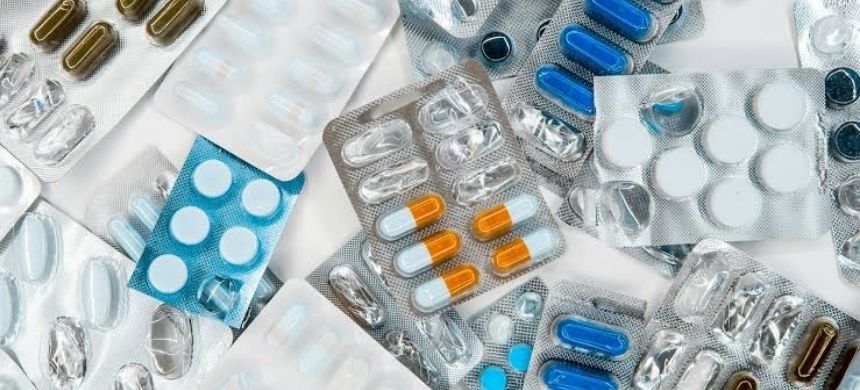
Around 40 newly approved life-saving medicines are still unavailable to patients because the federal government has not yet finalized their prices. The delay has left thousands of people suffering from cancer, diabetes, haemophilia, Parkinson’s disease, and other serious medical conditions dependent on costly smuggled or unregistered medicines.
Health experts say the absence of official price notifications has prevented the legal sale of several essential medicines. These include advanced cancer treatments such as Keytruda (Pembrolizumab) and Nivolumab, along with Humador insulin for diabetes, Adalimumab for autoimmune disorders, recombinant Factor VIII for haemophilia A, Carbidopa-Levodopa for Parkinson’s disease, Dabigatran and Heparin for preventing blood clots, Methyldopa for pregnancy-related hypertension, Meropenem and Fosfomycin for severe bacterial infections, Ketamine for anaesthesia, as well as several vaccines, intensive care medicines, and other critical hospital products.
Although these medicines have already been registered by the Drug Regulatory Authority of Pakistan (DRAP) after completing the required regulatory procedures, they cannot be legally sold until the federal government officially notifies their maximum retail prices.
According to DRAP, recommendations for fixing the prices of these medicines were prepared by the Drug Pricing Committee between December 2024 and June 2025. The proposals were later approved by the DRAP Policy Board and forwarded to the federal government for final approval, which is still pending.
The list of delayed medicines includes internationally recognized treatments for several life-threatening illnesses. In addition to modern cancer immunotherapies, it covers medicines used to treat diabetes, rheumatoid arthritis, Crohn’s disease, haemophilia A, Parkinson’s disease, hypertension during pregnancy, severe bacterial infections, and blood clot disorders. The pending products also include vaccines, radiology contrast agents, electrolyte solutions, and other essential medicines widely used in intensive care units, emergency departments, and hospitals across Pakistan.
Also Read: Punjab Issues Alert Over Fake Medicines