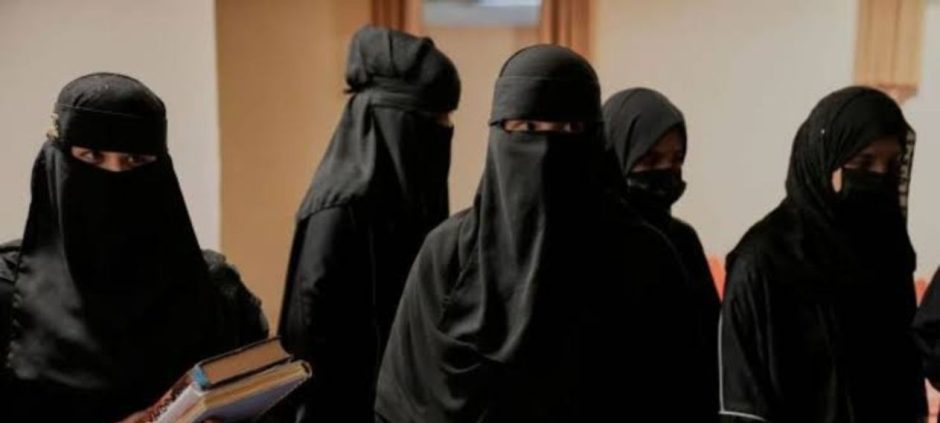
Denmark is preparing new legislation that would ban Burqas and niqabs in schools and universities across the country. The proposal is part of the government’s broader effort to address what it describes as “parallel societies” and improve social integration.
If approved, the new law will expand Denmark’s existing restrictions on full-face coverings. Since 2018, wearing full-face veils in public spaces has already been prohibited. The latest proposal would extend that ban to classrooms in educational institutions.
The Danish government says the measure is intended to promote better integration and reduce what it calls “negative social control.” Officials believe the policy will help create a more open learning environment in schools and universities.
Prime Minister Mette Frederiksen’s left-leaning government has made immigration and integration important policy priorities. The proposed legislation is expected to become part of a wider package of measures targeting social challenges linked to immigrant communities.
According to the Danish immigration ministry, the government plans to introduce several legislative proposals that were not approved before the previous election. These proposals include stronger actions against parallel societies and additional measures aimed at improving integration.
In Denmark, the term “parallel societies” refers to urban areas where more than half of the population comes from non-Western immigrant backgrounds. The government argues that these communities require policies that encourage greater social participation and integration.
The proposal was first reported by the Danish newspaper Berlingske, which cited a statement from the immigration ministry. The ministry confirmed that new legislation would be presented as part of the government’s upcoming policy agenda.
The planned restrictions specifically target Burqas and other full-face coverings worn in educational settings. Officials believe classrooms should support open communication between students and teachers.
However, the proposal has also attracted criticism. Some experts and commentators argue that very few students wear Burqas or niqabs in Danish schools and universities. They question whether new legislation is necessary given the limited number of cases.
Critics have also suggested that the proposal may carry political significance rather than address a widespread problem. According to reports, some observers believe the government is sending a strong message on immigration and integration ahead of future political debates.
Denmark already enforces one of Europe’s strictest bans on full-face coverings in public spaces. Under the existing law, people who repeatedly violate the ban can face fines of up to 10,000 Danish kroner, which is approximately £1,300.
The country also has some of Europe’s toughest immigration and asylum policies. Migration continues to be a major political issue for both center-left and right-wing parties.
In other related news also read Denmark Is Set To Prohibit The Burning Of The Holy Quran
If Parliament approves the proposal, the classroom ban will become another major step in Denmark’s efforts to reshape its integration policies. The government says the goal is to encourage social inclusion while reducing practices it believes limit participation in public life. The debate over Burqas, however, is expected to continue as supporters and critics discuss the impact of the proposed law.