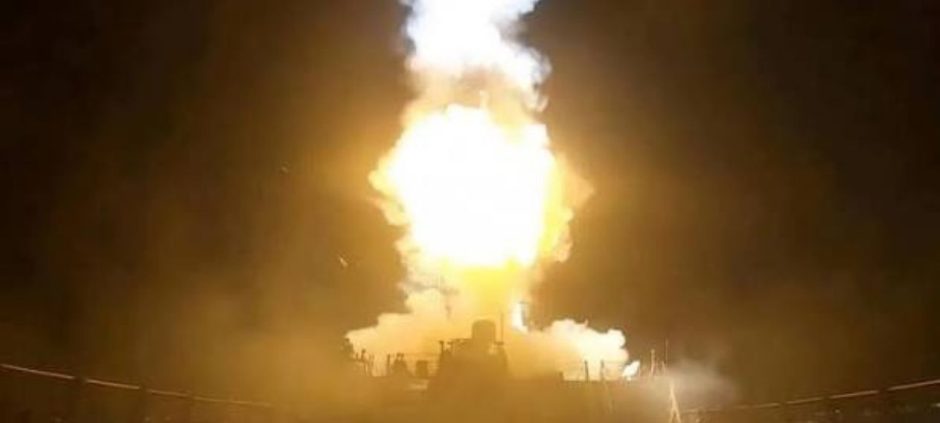
The conflict between the United States and Iran intensified after fresh US missile strikes targeted multiple locations in southern Iran, prompting Tehran to launch retaliatory missile and drone attacks against US military facilities in Bahrain, Kuwait, and Jordan. The latest exchange has heightened fears of a broader regional conflict while raising concerns over global energy supplies and maritime security.
According to Iranian officials, US forces carried out strikes on military sites in Iranshahr, Bushehr, and Chabahar. Iranian media reported that 13 missiles hit a military base near Iranshahr, damaging barracks, guard posts, and accommodation facilities. Officials said seven military personnel were killed and several others were injured. Additional strikes were reported in Bushehr province and Chabahar, while earlier attacks also targeted Qeshm Island, Kish Island, and Andimeshk.
Iranian government spokesperson Fatemeh Mohajerani said recent US operations killed at least 30 civilians and injured 260 others, with many receiving hospital treatment. Meanwhile, the US Central Command (CENTCOM) said its seven-hour operation targeted missile launchers, drone sites, naval assets, and coastal defense systems near the Strait of Hormuz, accusing Iran of threatening commercial shipping in the region.
In response, Iran’s Islamic Revolutionary Guard Corps (IRGC) launched the third phase of Operation Nasr-2, claiming missile and drone strikes on Sheikh Isa Air Base in Bahrain and Ali Al Salem Air Base in Kuwait. The IRGC also claimed attacks on US logistics facilities, fuel depots, and command centers, while Iranian state media reported drone operations targeting Al-Azraq Air Base in Jordan. US and regional authorities have not confirmed many of these claims, although Jordan and Kuwait reported intercepting multiple missiles and drones.
Iran has reiterated that the Strait of Hormuz will remain closed until US military operations cease, warning that continued hostilities could disrupt regional oil and gas exports. Tehran also accused Washington of violating the Pakistan-mediated Memorandum of Understanding signed earlier this year.
The latest escalation has further increased concerns over regional stability, international shipping, and the global energy market as diplomatic efforts to ease tensions remain under severe strain.
Also read: A Surge 4% as US-Iran Tensions Escalate