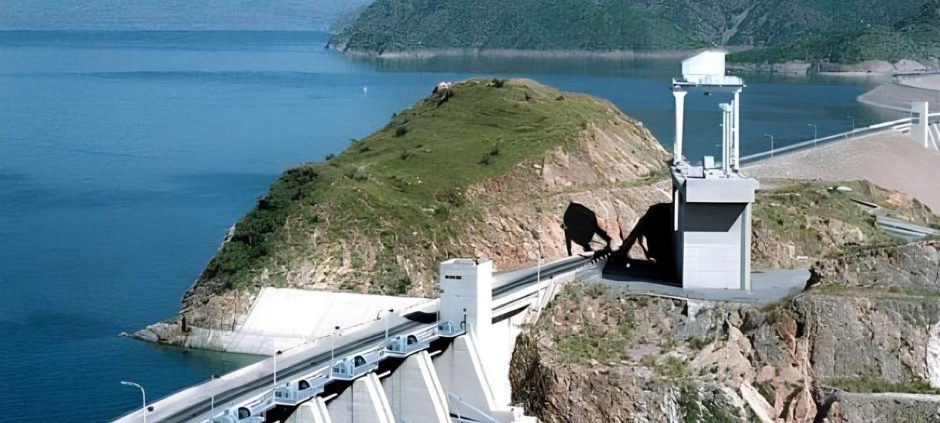
A government inquiry has held WAPDA, the project contractor, and the engineering consultant responsible for the cofferdam collapse at the Tarbela 5 Extension Hydropower Project. The investigation found that unauthorized design changes made after the contract award played a major role in the failure.
The inquiry committee said the collapse caused major delays and significantly increased the project’s cost. The Tarbela 5 Extension Hydropower Project was originally estimated to cost Rs. 82 billion. After the incident, the cost rose to Rs. 317 billion, an increase of more than 285 percent.
The Planning Commission has also expressed concern about the project’s financial impact. It estimates that the levelized cost of electricity generation could increase to between Rs. 27 and Rs. 28 per unit. If that happens, Tarbela 5 could become Pakistan’s most expensive renewable energy project.
The project is supported by $700 million in financing from the World Bank and the Asian Infrastructure Investment Bank (AIIB). It was initially expected to be completed in 2026. However, the latest estimate places its completion in June 2028.
The three-member inquiry committee was led by Federal Flood Commission Chairman and Chief Engineering Adviser Ather Hameed. The committee reviewed the technical and administrative decisions that led to the collapse.
According to the report, the contractor proposed a revised cofferdam design after the contract had already been awarded. The engineering consultant approved the revised plan without ensuring that it met the required technical standards. WAPDA also accepted the new design without checking whether it complied with the original contract.
The committee concluded that all three parties failed to fulfill their contractual responsibilities. As a result, a weaker cofferdam was built, making it vulnerable to failure.
The inquiry rejected claims that flooding caused the collapse. Investigators found that river flows remained within historical limits and should have been safely handled under the original design.
Instead, the report blamed weak protection layers, poor filter arrangements, and the replacement of the approved design with a less stable rock-filled structure.
The committee also criticized project oversight. In July 2023, WAPDA requested a review of the cofferdam’s performance. Instead of carrying out an independent assessment, the consultant assigned the review to the contractor.
The contractor submitted its findings in October 2024, more than a year after the request. The inquiry said this delay reflected weaknesses in project supervision.
Investigators also identified alleged irregular payments for temporary construction works. The report said these payments may reduce the government’s ability to recover losses linked to the collapse.
The inquiry further highlighted concerns about the project’s consultant, MM Pakistan BIDR China. WAPDA later terminated the consultant’s contract due to staffing issues. The report also stated that the consultant withdrew its staff from the project site in May 2025 without providing the required 30-day notice.
In other related news also read What’s Behind the KP Government’s Rs. 52 Million Tanda Dam Plan
The committee described the incident as a serious failure in project governance and oversight. It stressed that stronger technical reviews and better contract management are necessary for large infrastructure projects funded through international loans.