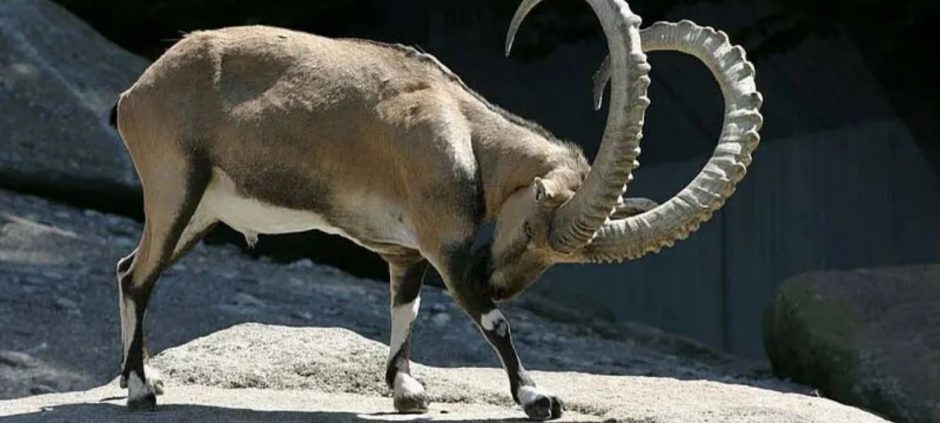
The Rare Punjab Urial population is showing encouraging signs of recovery in Pakistan’s Salt Range. Wildlife officials have reported fresh sightings of large herds in several mountain areas. The development is being seen as a positive outcome of ongoing conservation efforts.
Recent video footage from near the Chakwal motorway showed groups of the animals moving freely across rocky hills. The herds appeared calm and undisturbed. Officials believe this reflects healthier habitat conditions and reduced human interference.
The Rare Punjab Urial is a unique wild sheep found only in Pakistan. It mainly lives in the districts of Jhelum and Chakwal. This limited range makes the species important for global wildlife conservation.
The animal is recognized by its reddish-brown coat, which becomes lighter during winter. It is one of several urial subspecies found in the region. However, the Punjab urial is found only in specific parts of Pakistan.
Its natural habitat lies within the Salt Range. This mountain belt stretches across Jhelum, Chakwal, Khushab, and Mianwali. The region provides rocky slopes and scrub forests that are well suited to the species.
Wildlife officials say regular protection measures have helped improve survival rates. Patrol teams continue to monitor the area and prevent illegal hunting. They also work to reduce disturbances in key habitats.
During recent field inspections, officials observed herds moving across steep cliffs in areas including Sannapar and Phadial. These sightings suggest that the animals are using their natural habitat more confidently. Experts believe this is a sign of a stable environment.
Despite the positive trend, the Rare Punjab Urial remains classified as a vulnerable species. It still faces several long-term challenges. Habitat fragmentation continues to reduce available living space. Livestock grazing also places pressure on natural food sources. Illegal hunting remains another serious threat.
Wildlife authorities say conservation work must continue to protect the species. They stress that long-term monitoring and habitat management are essential. Public awareness and stronger enforcement against poaching can also support recovery efforts.
According to official estimates, the Punjab urial population has increased steadily in recent years. The number was around 3,700 in 2018. It rose to 5,757 by 2022. In 2023, the population reached an estimated 6,891 animals.
In other related news also read Kaghan Valley Unveils World’s Largest Markhor Sculpture
Officials say these figures show that conservation strategies are delivering results. However, they also note that continued protection is necessary to secure the future of this unique species. The recovery of the Rare Punjab Urial highlights the importance of preserving Pakistan’s natural ecosystems and protecting endangered wildlife for future generations.