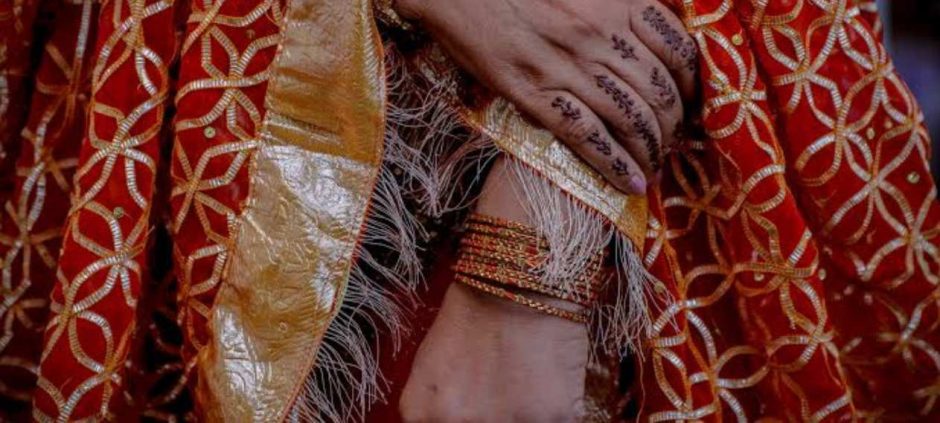
The Punjab Child Marriage Restraint Ordinance 2026, which makes marriage below the age of 18 a criminal offence, has been challenged in the Federal Shariat Court. The petition argues that several provisions of the newly enacted law conflict with the Constitution of Pakistan and Islamic principles, seeking to have them declared invalid.
The petition was filed by Mufti Muhammad Aslam through his legal counsel. The governor of Punjab, through the relevant secretary, along with other concerned government authorities, has been named as respondents in the case. The petitioner has requested the court to review the legality of the ordinance in light of constitutional and religious provisions.
According to the petition, specific sections of the ordinance, including Section 2-D, Section 3, and other related clauses, are inconsistent with Islamic law. It contends that criminalising marriages involving individuals below the age of 18 contradicts the principles of Sharia and exceeds the state’s legislative authority in matters governed by religious law.
The petitioner maintained that while the government has the constitutional authority to enact laws for administrative purposes and to maintain public order, it cannot legislate in a manner that interferes with matters considered part of Islamic jurisprudence. The petition argues that personal status issues, including marriage, should remain consistent with Islamic teachings.
The petition has asked the Federal Shariat Court to declare provisions of the Punjab Child Marriage Restraint Ordinance 2026, including Sections 2-C and 2-D, as invalid. It has also requested the court to suspend the implementation of the ordinance until a final verdict is issued on its constitutional and religious validity.
The case is expected to draw significant legal and public attention as it raises questions regarding the relationship between provincial legislation, constitutional authority, and Islamic law. The Federal Shariat Court will determine whether the challenged provisions are consistent with the injunctions of Islam before deciding on the petition and the request for a stay on the ordinance’s implementation.
Also read: Lahore Child Injured: Dangerous Kite Strings Raise Concerns