LAHORE: A constitutional petition has been submitted to the Lahore High Court (LHC) challenging the legality of heavy traffic challans and vehicle taxes imposed across Punjab. The petitioner argues that the measures place an unfair financial burden on citizens and are inconsistent with constitutional principles.
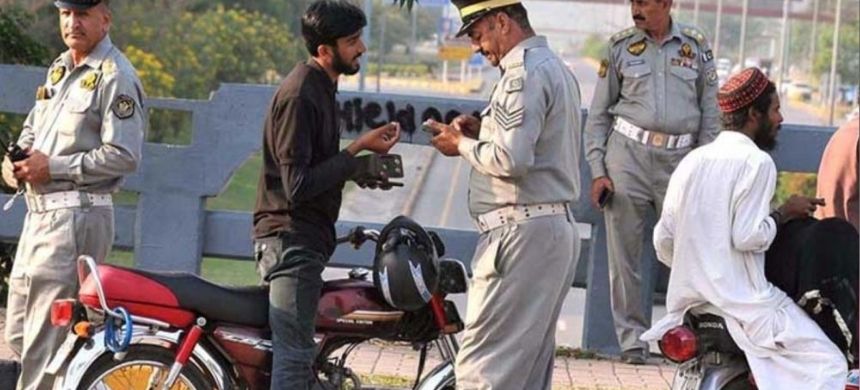
The petition was filed by Jameela Fatima through Advocate Muhammad Azhar Siddique. According to the plea, traffic authorities are issuing excessive challans to motorists throughout the province, creating difficulties for the public and allegedly infringing upon their constitutional rights.
The petitioner maintained that the sharp increase in traffic penalties is unjustified and should be reviewed by the court. The plea further requested the Lahore High Court to seek complete records from the Punjab government regarding the collection of traffic challans and vehicle taxes during the last five years.
In addition, the petition asked the court to declare the imposition of heavy challans unlawful. The petitioner argued that the current system lacks fairness and places unnecessary pressure on ordinary citizens already dealing with economic challenges.
The legal challenge comes shortly after the Punjab government introduced reforms through the Provincial Motor Vehicles Bill 2026. The legislation replaced the Provincial Motor Vehicles Ordinance 2025 and brought several changes to traffic regulations in the province.
Under the new law, penalties for multiple traffic offences were reduced, while imprisonment was removed for most traffic-related violations. The bill, which received approval from Punjab Governor Sardar Saleem Haider Khan, was presented as a relief measure aimed at easing the burden on motorists.
Officials stated that the revised legislation lowered several fines and relaxed punishment provisions associated with traffic violations. Despite these reforms, concerns regarding the legality and implementation of challans have continued to surface, leading to the latest court petition.
The Lahore High Court is expected to hear the matter in the coming days. The case could have significant implications for traffic enforcement policies and the future collection of challans and vehicle-related taxes across Punjab.