Pakistan is facing ongoing challenges linked to rising fuel prices. The recent price fluctuations have intensified the fuel crisis, forcing many people to rethink how they travel every day.
In early April 2026, petrol prices increased sharply. The price jumped by Rs137.23 per litre, reaching Rs458.41. High-speed diesel rose to Rs520.35 per litre. This sudden increase triggered panic across major cities.
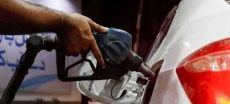
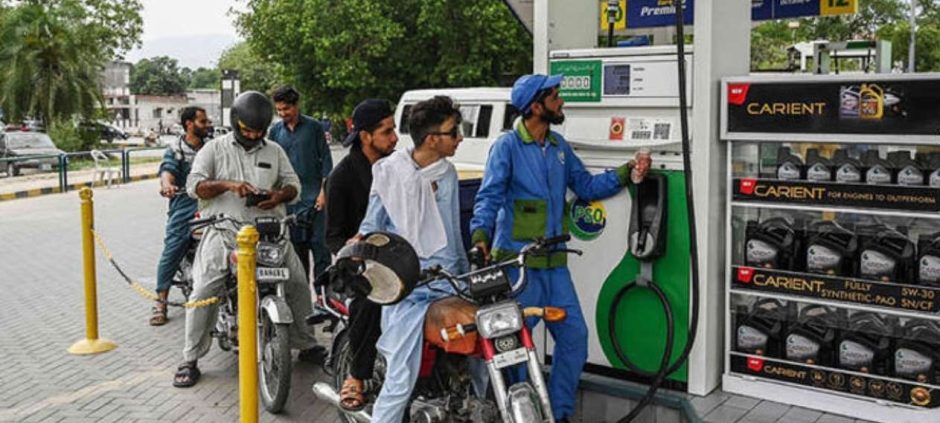
Long queues were seen at petrol stations. Many citizens rushed to fill fuel tanks before further changes. The situation highlighted the growing impact of the fuel crisis on daily life.
However, prices changed again shortly after. The government reduced the petroleum levy, and petrol prices dropped significantly within a day. The rate fell to around Rs378 and later adjusted further. Diesel also saw a similar reduction.
By early May, prices stabilized at lower levels. Petrol was recorded at Rs414.78 per litre, while diesel stood at Rs414.58. Despite this stabilization, the fuel crisis had already affected millions of commuters.
Many people depend on private vehicles for work, education, and healthcare. Rising fuel costs forced them to rethink daily travel routines. Some reduced trips, while others switched to cheaper transport options.
Public transport systems such as metro buses and electric trains saw increased usage. The Metrobus, Orange Line Train, and other services became alternatives for cost-conscious commuters. However, the transition is not always simple.
Experts say the fuel crisis is pushing more people toward public transport. But they also point out limitations in the system. Coverage is limited, and many areas are not directly connected.
Transport engineer Rabbia Asad explained that public transport only works in selected corridors. She noted that motorbikes and cars still dominate due to flexibility and reach. This means the shift is partial, not complete.
Commuters also face practical challenges. Overcrowding, long walking distances, and lack of feeder routes remain major issues. These problems reduce the comfort and convenience of public transport.
For some, cost savings outweigh these difficulties. Students and workers have started using buses and metro services more regularly. However, many say they use them out of necessity, not preference.
Women commuters face additional safety concerns. Crowded stations and poorly lit areas create discomfort during travel. These issues further limit the effectiveness of public transport during the ongoing fuel crisis.
Experts believe long-term solutions are needed. They suggest better connectivity, improved safety, and integrated transport planning. Without these changes, the fuel crisis will continue to reshape commuting habits without fully solving transport challenges.
In other related news also read Government Announces Fuel Subsidy Scheme for Commercial Vehicles
In conclusion, the fuel crisis in Pakistan is more than just an economic issue. It is directly changing how people move, work, and live across cities.