Pakistan recorded a major increase in petroleum Levy collection during the first nine months of the fiscal year 2025-26, according to official fiscal data released on Wednesday.
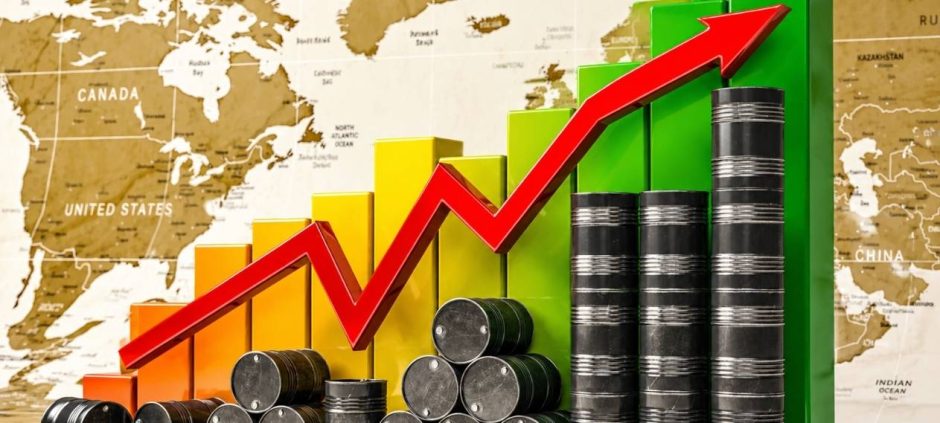
The latest figures showed that petroleum Levy collection increased by 45 percent between July and March of the current fiscal year. The rise is being viewed as a positive development for the country’s fiscal position as Pakistan continues economic discussions with the International Monetary Fund (IMF).
According to official documents, petroleum levy collection reached approximately Rs1.205 trillion during the first nine months of FY2025-26.
This marked an increase of nearly Rs371 billion compared to the same period of the previous fiscal year.
The government has set an overall petroleum Levy collection target of around Rs1.468 trillion for the current fiscal year.
In comparison, Pakistan collected around Rs1.220 trillion under petroleum levy during the last fiscal year.
Officials said the higher revenue collection could support government finances and help strengthen the country’s budget position during ongoing negotiations with international lenders.
The data also revealed that Pakistan collected Rs37.27 billion under the carbon levy during the same nine-month period.
The carbon levy is considered part of broader revenue and environmental measures introduced by the government.
According to official records, around Rs1.019 trillion was collected specifically under the petroleum development levy head during the current fiscal year.
The amount showed a significant increase compared to fiscal year 2023-24, when petroleum development levy collection stood at approximately Rs580 billion.
Economic analysts believe the increase in petroleum-related collections reflects higher taxation measures and adjustments in fuel pricing policies introduced during recent months.
The government has relied heavily on petroleum levy collections to improve revenue generation without directly increasing some other taxes.
Officials have also indicated that maintaining strong revenue performance remains important for meeting fiscal targets and stabilizing the economy.
Pakistan’s financial authorities are currently engaged in economic reform efforts aimed at improving budget management, reducing fiscal pressure, and strengthening foreign financing support.
The rise in levy collection comes at a time when Pakistan continues efforts to maintain macroeconomic stability and meet conditions linked to international financial programmes.
Experts say petroleum-related revenue remains one of the major sources of non-tax income for the government.
However, some economists have also raised concerns about the impact of higher fuel-related charges on inflation and transportation costs for ordinary citizens.
In other news read more about: Digital Traffic Challan “One App” Officially Launched in Rawalpindi
The government has not yet announced any major changes to petroleum levy rates for the upcoming months, but fiscal performance is expected to remain closely linked with fuel revenue collection trends.