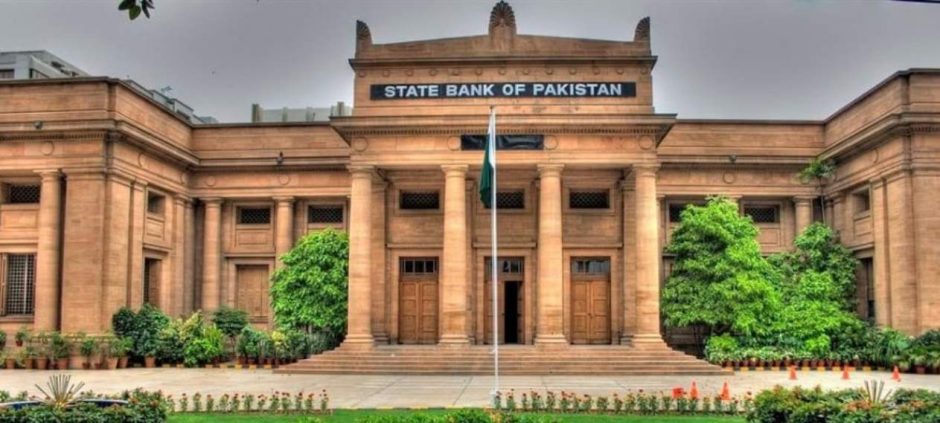
The State Bank of Pakistan has granted in-principle approvals to five financial institutions. These approvals allow them to start Islamic banking operations in Pakistan.
The move reflects growing demand for Shariah-compliant financial services. The SBP continues to support the expansion of Islamic banking across the country.
The approved institutions include Samba Bank Limited, HBL Microfinance Bank, ASA Microfinance Bank, Sindh Microfinance Bank, and Pak Libya Holding Company. These organizations will now work towards setting up full Islamic banking operations.
The SBP said it has been providing regulatory guidance to these institutions. It is also offering technical support to ensure smooth and compliant setup. The aim is to strengthen Islamic finance in a structured way.
Earlier in 2025, the central bank also approved other institutions for similar services. These included Mashreq Bank, Mobilink Microfinance Bank, and LOLC Microfinance Bank. This shows a steady increase in participation in Islamic banking.
The State Bank of Pakistan noted that demand for Islamic financial products is rising. More customers are choosing Shariah-compliant banking services across Pakistan. This trend is visible in both commercial and microfinance sectors.
According to the SBP Financial Stability Review, the growth reflects a wider transformation in the banking system. The report highlights how institutions are adapting to changing market needs.
The SBP has also launched awareness campaigns across the country. These campaigns use social media platforms to educate people about Islamic banking. The goal is to improve understanding among different groups of society.
Currently, Pakistan has a growing Islamic banking network. It includes 22 institutions in total. Out of these, six are full-fledged Islamic banks. The remaining 16 operate Islamic banking windows within conventional banks.
In other related news also read SBP Makes Account To Account Transfers Mandatory For FCY Deposits
The State Bank of Pakistan continues to play a key role in this expansion. Officials believe this growth will strengthen financial inclusion. It will also provide more Shariah-compliant options for customers nationwide.