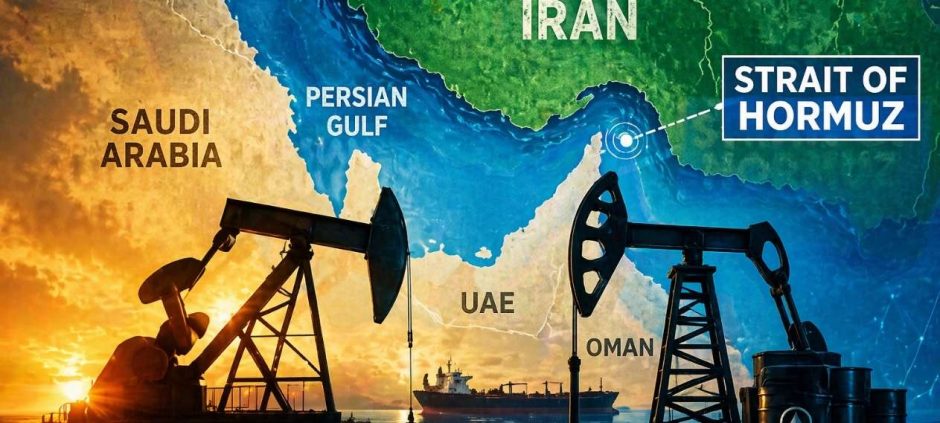
Global Oil prices have surged sharply as tensions between the United States and Iran intensify in the Strait of Hormuz. The rise follows a series of tit-for-tat actions by both countries, including the capture of commercial vessels in the region.
Brent crude, the international benchmark for Oil, climbed above $106 per barrel early Friday. This increase reflects growing concerns about disruptions in global energy supply. The Strait of Hormuz is one of the most important routes for transporting Oil worldwide, making any conflict in the area highly sensitive for markets.
The latest developments come after both Washington and Tehran took steps that escalated the situation. Reports indicate that commercial ships were seized in separate incidents, raising fears about the safety of maritime trade. Analysts say such actions can quickly affect investor confidence and push Oil prices higher.
Experts note that even minor disruptions in the Strait of Hormuz can have a major impact. A significant portion of the world’s Oil passes through this narrow waterway. Any threat to its security can lead to supply concerns and price volatility.
Market participants are closely monitoring the situation. Traders are reacting to every new update, which is causing sharp movements in Oil prices. The uncertainty has increased risk in global energy markets, leading to higher costs for buyers.
Economists warn that rising Oil prices could have wider economic effects. Higher energy costs can increase inflation and put pressure on industries that rely on fuel. Developing countries may face additional challenges due to rising import bills.
At the same time, governments are being urged to seek diplomatic solutions. Reducing tensions could help stabilize the market and prevent further price spikes. However, the current situation remains uncertain, and no immediate resolution is in sight.
In other news, read more about: Crude Oil Prices Slip After Early Gains Following US-Iran Ceasefire Extension
Overall, the surge in Oil prices highlights the global impact of geopolitical tensions. The Strait of Hormuz remains a critical point for energy security, and any conflict in the region continues to influence the direction of international markets.