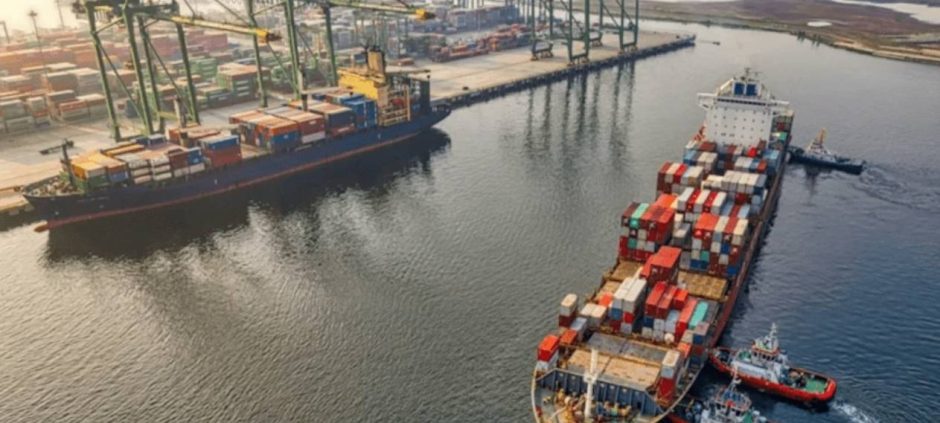
Pakistan has experienced an unprecedented surge in port activity, with cargo and transshipment volumes rising over 1,400 percent. The increase comes amid global shipping disruptions in the Middle East, which have redirected trade flows toward the country.
Major ports, including Karachi, Port Qasim, and Gwadar, have reported record levels of container handling. Karachi Port alone handled 8,313 containers in just 24 days, surpassing the total volume processed throughout 2025, which was 8,300 containers. This marks a 1,423 percent growth compared to last year.
The spike in activity is largely driven by disruptions in traditional shipping routes across the Gulf region. Global logistics operators have been seeking alternative routes, and Pakistan’s ports have emerged as a convenient and efficient option.
Operationally, South Asia Pakistan Terminal processed 5,286 containers, Hutchison Port handled 1,827, and Karachi Gateway Terminal managed 1,200 containers during the recent surge. These numbers highlight the country’s growing capacity to manage high cargo volumes efficiently.
Policy reforms have also contributed to this growth. Pakistan recently revised transshipment regulations, allowing cargo handling at both seaports and airports. This change has provided international trade operators with more flexibility and improved the country’s appeal as a logistics hub.
Infrastructure improvements under the China-Pakistan Economic Corridor (CPEC) have further strengthened Pakistan’s trade position. Modernized facilities and enhanced connectivity have enabled ports to handle larger shipments and streamline operations.
If the current momentum continues, Pakistan is likely to attract more investment in logistics and port infrastructure. Experts suggest that sustained growth could position the country as a key regional hub for global trade.
In other related news also read PIA Clarifies False Missile Attack Reports Near Fujairah
Pakistan’s record surge in port activity demonstrates its potential to support international commerce. The combination of strategic location, policy reforms, and improved infrastructure is driving the country toward a more prominent role in global trade networks.